

Medicare Part D Notices Are Due By October 15
The date for distributing Medicare Part D notices is approaching.

As 2026 ACA reporting season begins, taking the time now to review Forms 1095-C helps protect against future compliance exposure.

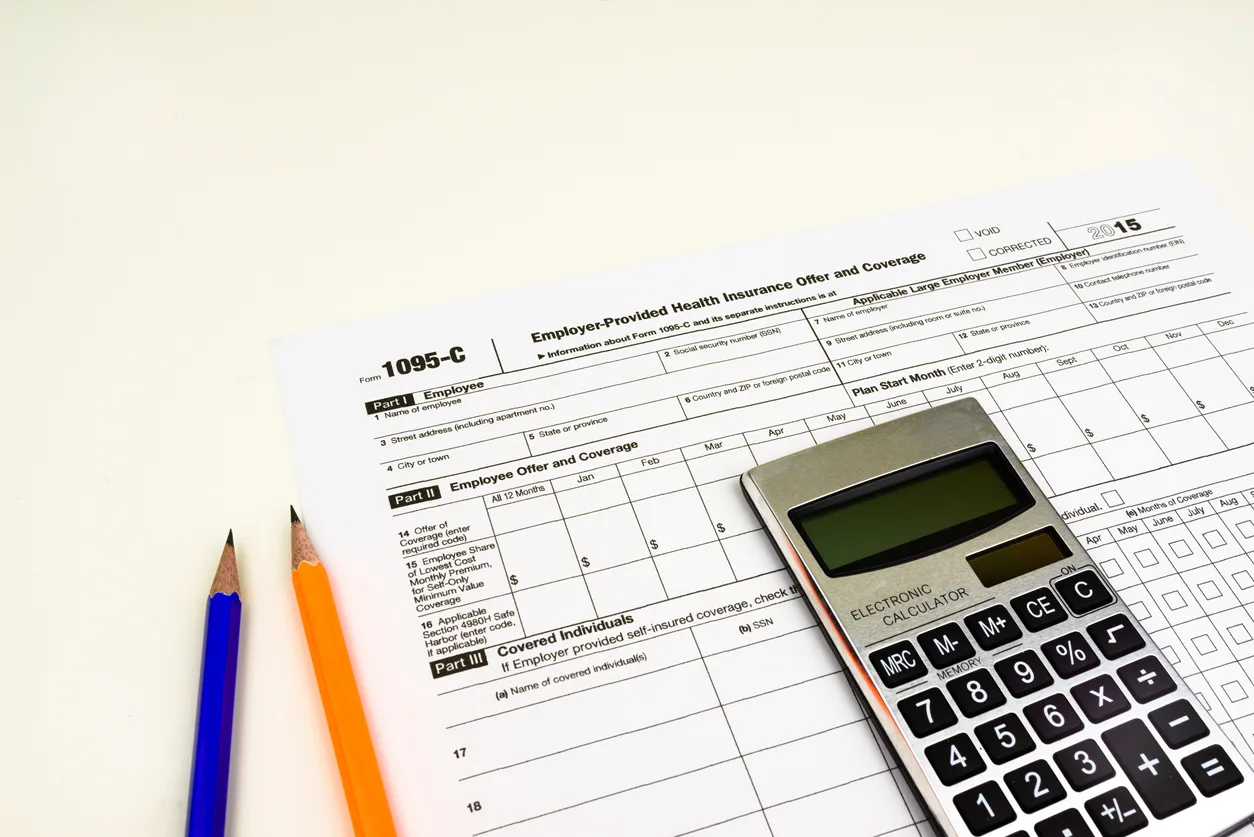
As the 2026 ACA reporting season begins, HR teams across the country are preparing to issue Forms 1095-C for the 2025 coverage year. Although these forms have been part of employer compliance for more than a decade, they continue to play an essential role in demonstrating whether an employer has met the Affordable Care Act’s employer mandate. A thorough review of the forms before employees receive them remains one of HR’s most important early-year responsibilities.
Form 1095-C is the annual statement employers must provide to full-time employees explaining what health coverage they were offered during the year. Applicable Large Employers, those with 50 or more full-time equivalent employees in the previous year, must issue the form to:
The form is also filed with the IRS, where it is used to evaluate whether the employer offered minimum essential and affordable coverage, as required under the employer shared responsibility provisions. Inaccurate forms can lead to questions from employees, mismatches with IRS records, and potential penalty assessments.
While the form appears straightforward, several areas require careful verification.
This portion describes the type of coverage offered, the monthly employee contribution for the lowest-cost self-only option, and any applicable safe harbor. Even small errors in these fields can affect affordability calculations and trigger IRS follow-up. HR should confirm that the offer codes accurately reflect eligibility rules and that payroll data aligns with the employee contribution shown.
If your organization sponsors a self-insured plan, you must report the coverage months for each enrolled individual. Verify that covered dependents are listed correctly and that the month-by-month coverage information is complete. Missing or inaccurate dependent data is one of the most frequent sources of corrected forms.
As IRS review processes continue to become more automated, inconsistencies between employer filings and IRS records are more easily flagged. Errors on Forms 1095-C not only create administrative headaches but can also result in avoidable penalty notices. A disciplined review process helps ensure smooth IRS filing, minimizes corrections, and reduces employee questions during tax season.
In addition, with new federal options for furnishing the form beginning this year, employers may see more employees requesting their form on demand. A complete and accurate form helps prevent re-work once those requests begin coming in.
Taking the time now to review Forms 1095-C helps protect the organization from unnecessary compliance exposure and reinforces HR’s role in maintaining reliable, compliant benefits administration. If you have questions about the form or the review process, please reach out to the HR team for assistance.
Benefit Allocation Systems (BAS) provides online solutions for: Employee Benefits Enrollment; COBRA; Flexible Spending Accounts (FSAs); Health Reimbursement Accounts (HRAs); Leave of Absence Premium Billing (LOA); Affordable Care Act Record Keeping, Compliance & IRS Reporting (ACA); Group Insurance Premium Billing; Property & Casualty Premium Billing; and Payroll Integration.
MyEnroll360 integrates with major insurance carriers for enrollment eligibility management (e.g., Blue Cross, Blue Shield, Aetna, United Health Care, Kaiser, CIGNA and others), and with leading payroll platforms for enrollment deduction management (e.g., Workday, ADP, Paylocity, PayCor, UKG, and others).
This article is for informational purposes only and is not intended as legal, tax, or benefits advice. Readers should not rely on this information for taking (or not taking) any action relating to employment, compliance, or benefits. Always consult with a qualified professional before making decisions based on this content.
The date for distributing Medicare Part D notices is approaching.
For employers with multiple related companies, understanding how the ACA treats employees who move between entities is important for accurate eligibility and reporting.

Employers should avoid making eligibility decisions based solely on the employee's relationship to the individual.