
Medicare Part D Notices Are Due By October 15
The date for distributing Medicare Part D notices is approaching.

It provides information about the health insurance coverage offered to full-time employees and is used by the IRS to ensure compliance with ACA requirements.

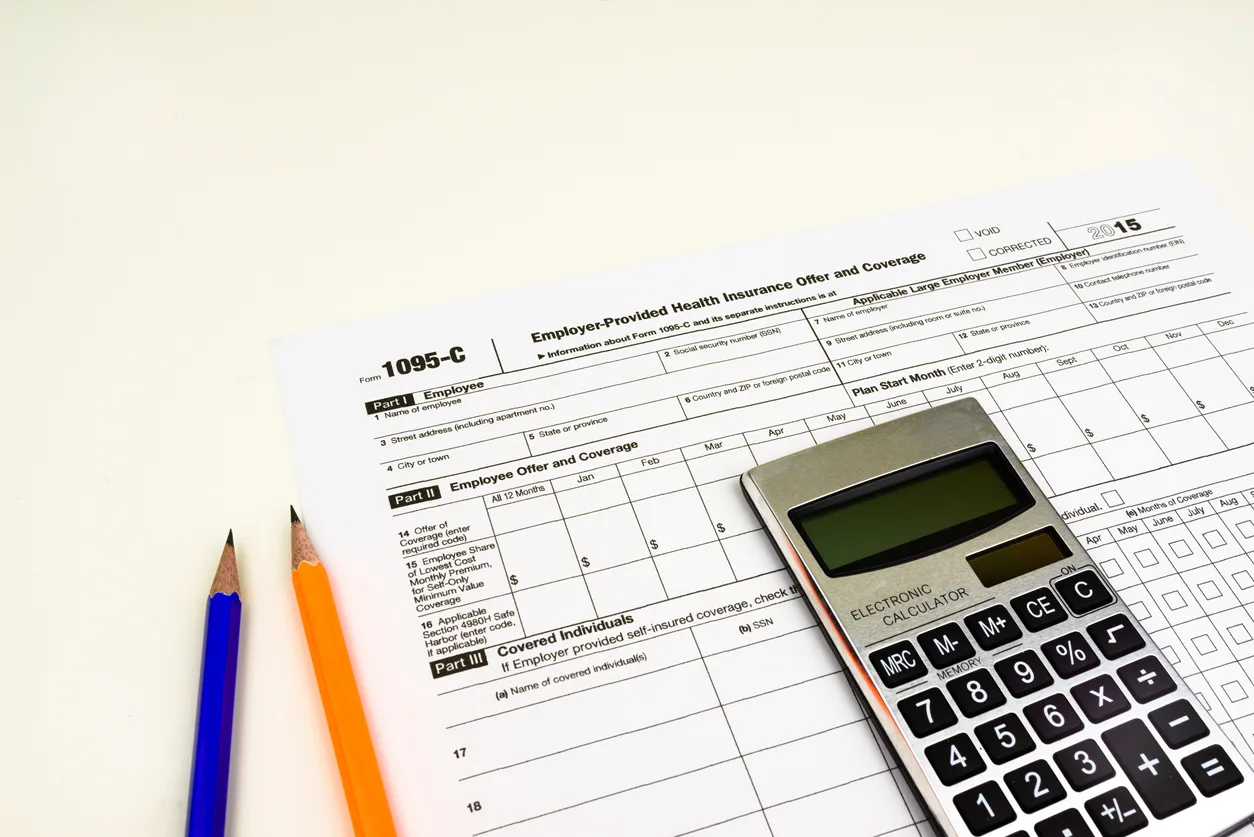
Employers subject to the Affordable Care Act’s (ACA) employer mandate must furnish Form 1095-C to all full-time employees and employees with health coverage. It provides information about the health insurance coverage offered to full-time employees and is used by the IRS to ensure compliance with ACA requirements.
Form 1095-C, Employer-Provided Health Insurance Offer and Coverage, is filed by Applicable Large Employers (ALEs), which are organizations with 50 or more full-time or full-time equivalent employees. It contains the following information:
Each ALE must furnish a copy of Form 1095-C to its full-time employees and submit the form to the IRS.
The IRS uses Form 1095-C to determine whether an ALE complied with the employer mandate under the ACA by offering adequate and affordable coverage to full-time employees. It also helps the IRS identify employees who may be eligible for premium tax credits if they did not receive an appropriate offer of coverage.
Line 16 of Form 1095-C provides additional details about the coverage offered, specifically whether an employer met ACA requirements for affordability or had valid reasons for not offering coverage in a given month. This line uses a different set of codes (Code Series 2) to indicate:
The codes for Line 16 (Code Series 2) provide context for the information in Line 14 and help the IRS determine whether the employer is subject to penalties. These codes may indicate:
Each code conveys specific circumstances, such as whether the employer met its obligations through a safe harbor or whether an employee’s circumstances exempted the employer from certain requirements.
While Line 16 of Form 1095-C may be challenging to complete, understanding the codes and their meanings is critical for demonstrating ACA compliance and avoiding penalties. Employers are encouraged to consult with tax professionals or use IRS resources to ensure accurate reporting. By carefully reviewing employee statuses and applying the correct codes, you can fulfill your reporting obligations with confidence.
Benefit Allocation Systems (BAS) provides online solutions for: Employee Benefits Enrollment; COBRA; Flexible Spending Accounts (FSAs); Health Reimbursement Accounts (HRAs); Leave of Absence Premium Billing (LOA); Affordable Care Act Record Keeping, Compliance & IRS Reporting (ACA); Group Insurance Premium Billing; Property & Casualty Premium Billing; and Payroll Integration.
MyEnroll360 integrates with major insurance carriers for enrollment eligibility management (e.g., Blue Cross, Blue Shield, Aetna, United Health Care, Kaiser, CIGNA and others), and with leading payroll platforms for enrollment deduction management (e.g., Workday, ADP, Paylocity, PayCor, UKG, and others).
This article is for informational purposes only and is not intended as legal, tax, or benefits advice. Readers should not rely on this information for taking (or not taking) any action relating to employment, compliance, or benefits. Always consult with a qualified professional before making decisions based on this content.
The date for distributing Medicare Part D notices is approaching.
For employers with multiple related companies, understanding how the ACA treats employees who move between entities is important for accurate eligibility and reporting.

Employers should avoid making eligibility decisions based solely on the employee's relationship to the individual.