

Medicare Part D Notices Are Due By October 15
The date for distributing Medicare Part D notices is approaching.

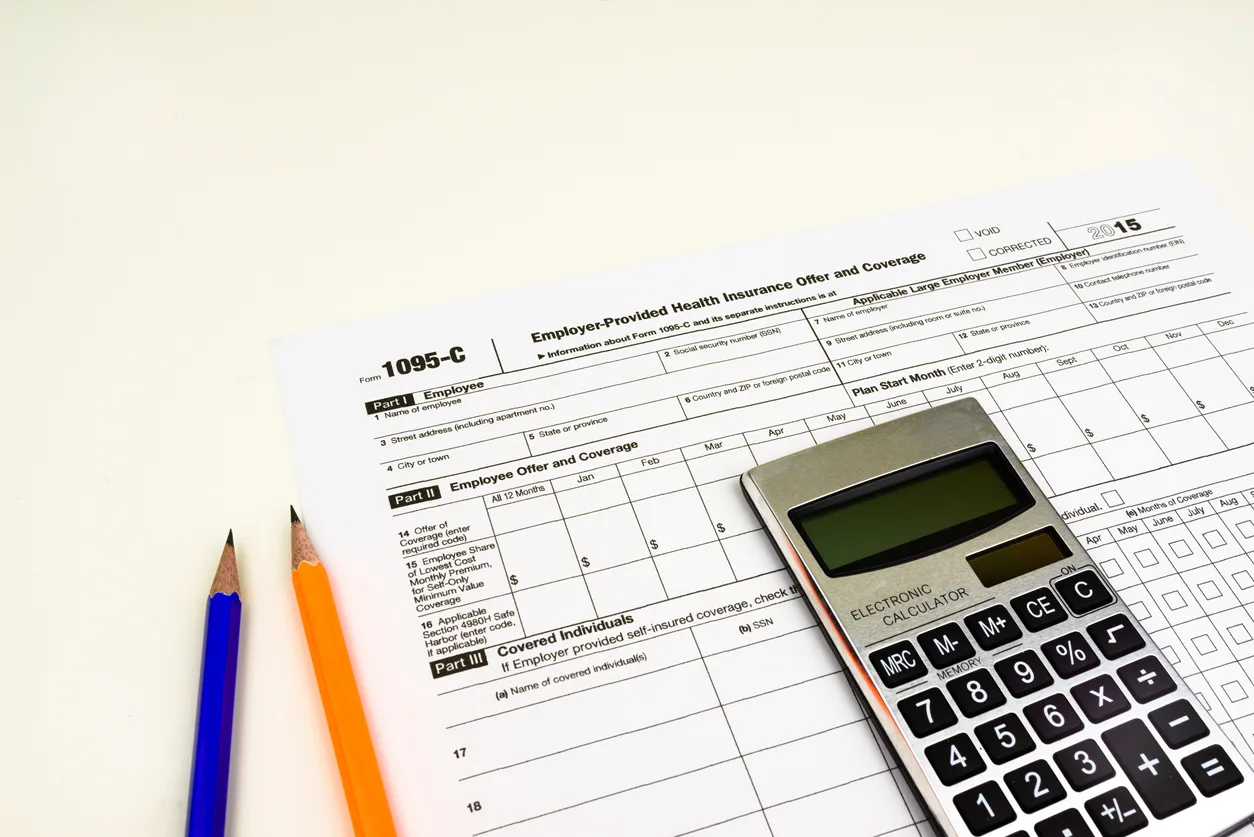
With the March 2 furnishing deadline behind us, most Applicable Large Employers (ALEs) have distributed Forms 1095-C to full-time employees.
With the March 2 furnishing deadline behind us, most Applicable Large Employers (ALEs) have distributed Forms 1095-C to full-time employees. While furnishing is a major milestone, the compliance process does not end there. The next phase is IRS transmission and ensuring reporting accuracy.
For HR professionals, March is about confirming filings, validating data, and preparing for potential follow-up.
Employers filing 10 or more information returns are required to file electronically with the IRS through the Affordable Care Act Information Returns (AIR) system. This includes:
The electronic filing deadline is March 31.
Before filing, confirm:
After submission, the IRS issues acknowledgements through the AIR system. These generally indicate:
Rejected filings must be corrected and resubmitted promptly. Even accepted filings should be reviewed to confirm no schema or formatting issues were flagged.
If you use BAS for ACA data collection and reporting services, BAS will transmit your filings to the IRS by the applicable deadline. If BAS contacts you regarding a rejected or flagged transmission, it is important to respond quickly so corrections can be made within IRS timelines.
After forms are distributed, HR may receive employee inquiries about:
Form 1095-C is informational and does not need to be attached to an individual tax return. HR’s role is to verify reporting accuracy rather than provide tax advice.
If a full-time employee receives a premium tax credit through a public exchange, the employer may receive a Marketplace subsidy notice. These notices require prompt review and response.
Best practices include:
Timely responses help reduce the risk of Employer Shared Responsibility penalties.
March is also an opportunity to evaluate internal processes:
Addressing discrepancies now makes next year’s reporting smoother and reduces correction risk.
ACA compliance involves more than form distribution. Employers must:
With employee forms distributed, attention now turns to IRS transmission, validation, and documentation. Staying engaged through this final phase helps protect your organization and close out the reporting cycle successfully.
Benefit Allocation Systems (BAS) provides online solutions for: Employee Benefits Enrollment; COBRA; Flexible Spending Accounts (FSAs); Health Reimbursement Accounts (HRAs); Leave of Absence Premium Billing (LOA); Affordable Care Act Record Keeping, Compliance & IRS Reporting (ACA); Group Insurance Premium Billing; Property & Casualty Premium Billing; and Payroll Integration.
MyEnroll360 integrates with major insurance carriers for enrollment eligibility management (e.g., Blue Cross, Blue Shield, Aetna, United Health Care, Kaiser, CIGNA and others), and with leading payroll platforms for enrollment deduction management (e.g., Workday, ADP, Paylocity, PayCor, UKG, and others).
This article is for informational purposes only and is not intended as legal, tax, or benefits advice. Readers should not rely on this information for taking (or not taking) any action relating to employment, compliance, or benefits. Always consult with a qualified professional before making decisions based on this content.
The date for distributing Medicare Part D notices is approaching.
For employers with multiple related companies, understanding how the ACA treats employees who move between entities is important for accurate eligibility and reporting.

Employers should avoid making eligibility decisions based solely on the employee's relationship to the individual.