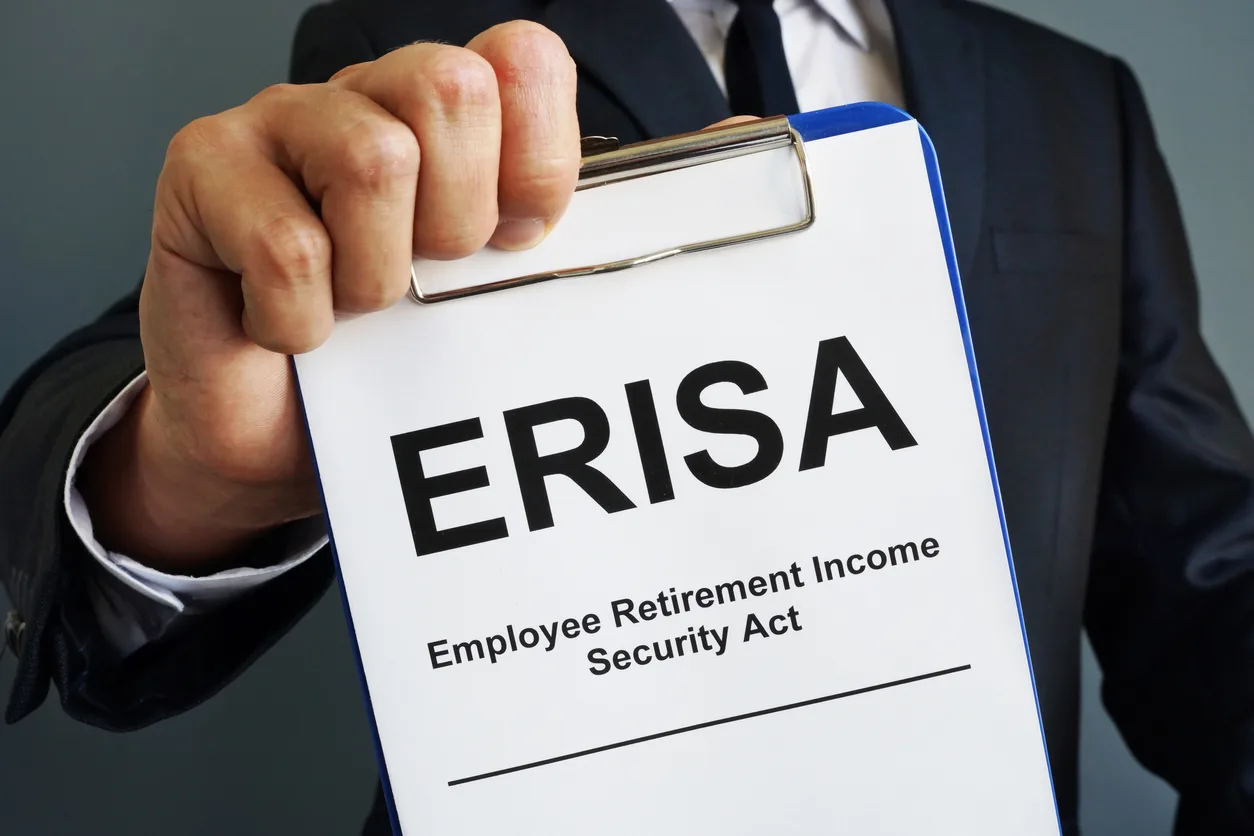
ERISA Plan Documents vs. SPDs
ERISA-covered health and welfare plans must have certain plan documents and provide participants with information about benefits.
Open enrollment tends to get the most attention, but common compliance challenges arise during the year when employee changes occur.

Open enrollment tends to get the most attention, but many of the most common compliance challenges arise during the year when employee changes occur. Events such as new hires, terminations, salary changes, leaves of absence, and status changes all require timely updates across HR, payroll, and benefits administration processes. When those updates are not aligned, issues can arise that affect coverage, billing, and reporting.
One of the most frequent challenges is timing. For example, if a termination or change in eligibility is not communicated promptly, coverage may continue longer than intended or end earlier than expected. Similarly, if payroll deductions are not adjusted in sync with benefit elections, employees may be over- or under-charged. These types of discrepancies can create confusion for employees and require additional administrative effort to correct.
Mid-year changes can also impact Affordable Care Act (ACA) reporting. Eligibility determinations, measurement periods, and offer tracking all rely on accurate, up-to-date information. Delays or inconsistencies in data can lead to reporting errors, which may result in IRS notices or the need for corrections after filing.
Another area of risk is coordination with insurance carriers and other vendors. Enrollment updates, coverage changes, and dependent information must be transmitted accurately and on time to ensure that external systems reflect the correct information. Inconsistent or delayed updates can lead to mismatches between internal records and carrier records, which may affect claims processing or coverage verification.
The key to managing these risks is strong coordination and clear internal processes. Employers should ensure that HR, payroll, and benefits teams are aligned on how and when changes are communicated and processed. Establishing consistent timelines, reviewing data regularly, and confirming that updates are reflected across all systems can help prevent issues before they arise.
BAS supports employers by providing a structured process for submitting and managing enrollment and eligibility information, helping ensure that updates are captured and processed in a timely and consistent manner. If you have questions about managing mid-year changes or want to review your current service offerings, please contact BAS at service@basusa.com or 1-800-945-5513.
Benefit Allocation Systems (BAS) provides online solutions for: Employee Benefits Enrollment; COBRA; Flexible Spending Accounts (FSAs); Health Reimbursement Accounts (HRAs); Leave of Absence Premium Billing (LOA); Affordable Care Act Record Keeping, Compliance & IRS Reporting (ACA); Group Insurance Premium Billing; Property & Casualty Premium Billing; and Payroll Integration.
MyEnroll360 integrates with major insurance carriers for enrollment eligibility management (e.g., Blue Cross, Blue Shield, Aetna, United Health Care, Kaiser, CIGNA and others), and with leading payroll platforms for enrollment deduction management (e.g., Workday, ADP, Paylocity, PayCor, UKG, and others).
This article is for informational purposes only and is not intended as legal, tax, or benefits advice. Readers should not rely on this information for taking (or not taking) any action relating to employment, compliance, or benefits. Always consult with a qualified professional before making decisions based on this content.
ERISA-covered health and welfare plans must have certain plan documents and provide participants with information about benefits.

Employers that receive a MLR rebate need to determine how the funds may be used.
The annual VETS-4212 filing period is underway and required reports must be submitted by September 30.