

Medicare Part D Notices Are Due By October 15
The date for distributing Medicare Part D notices is approaching.

Important follow-up activities should be considered after distributing and transmitting 1094/1095 forms.

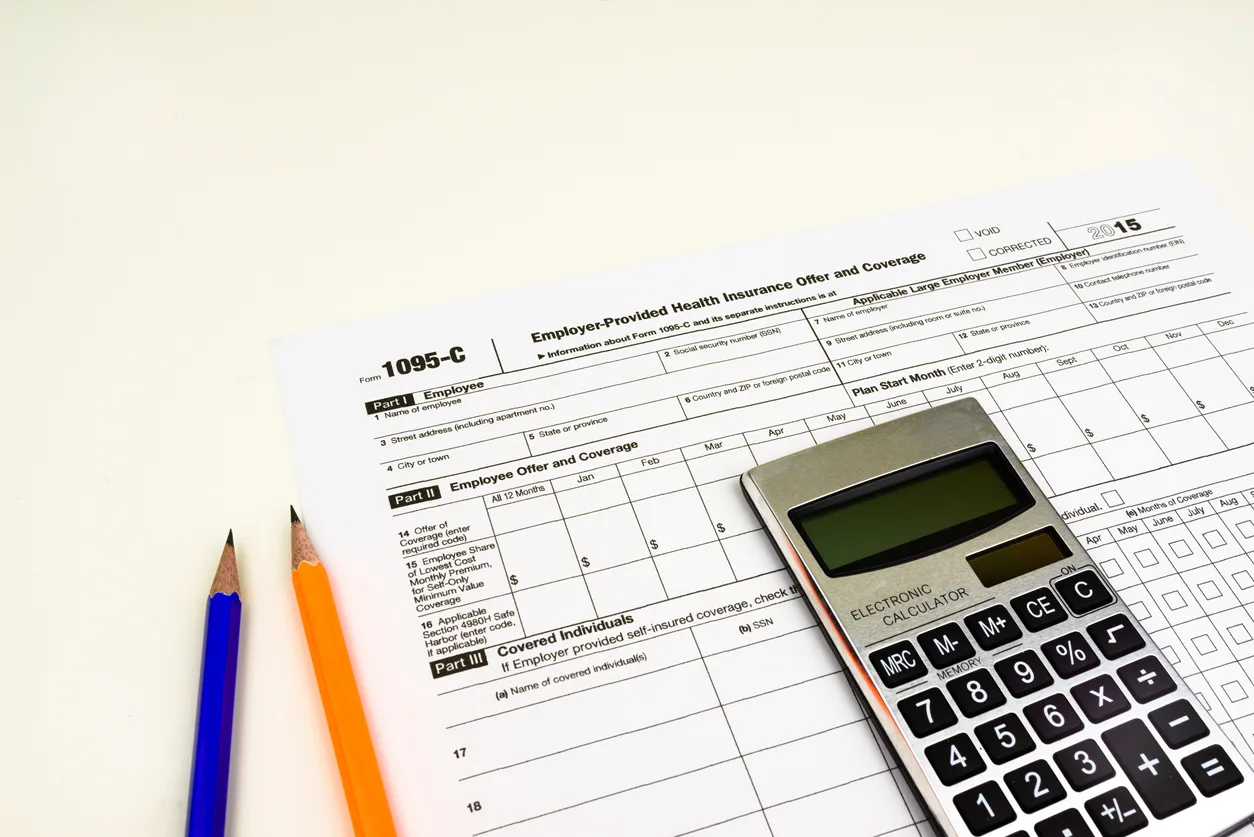
The Affordable Care Act (ACA) requires certain employers to distribute Form 1095-C to employees and submit an annual 1094-C transmittal to the IRS. These forms confirm whether the employer offered health insurance coverage to eligible employees and whether that coverage met ACA requirements.
While distributing 1095 forms and submitting the IRS filings may feel like the final step in your ACA compliance process, there are important follow-up activities that HR and benefits teams should focus on in the months that follow. Taking proactive steps now will help reduce the risk of penalties, improve data accuracy, and ease the burden of next year’s reporting.
Be prepared to answer these common questions. It’s helpful to communicate that the 1095-C is an informational form that employees do not need to submit with their tax return but should keep for their records.
You may also receive requests for corrections. If an employee notices incorrect information—such as an incorrect Social Security Number, name, or coverage period—you should update your records. Additionally, you may need to submit corrected filings.
It’s important to monitor for these notices and respond quickly. Failure to respond can result in costly penalties and additional compliance scrutiny.
Timely updates to demographic and coverage information will minimize the need for corrections during reporting season and ensure that employees’ 1095 forms are accurate.
This ongoing tracking will simplify your year-end determination of who is eligible for coverage and avoid unexpected penalties.
Having this documentation readily available will help resolve any employee disputes, assist with IRS inquiries, and ensure compliance in future years.
ACA reporting is not just a once-a-year activity. Staying proactive throughout the year—by maintaining accurate records, tracking employee status, and responding to IRS notices—can reduce stress, avoid penalties, and ensure compliance with federal requirements.
If you would like information about BAS’ ACA data collection and reporting services, contact your account manager or solutions@basusa.com.
Benefit Allocation Systems (BAS) provides online solutions for: Employee Benefits Enrollment; COBRA; Flexible Spending Accounts (FSAs); Health Reimbursement Accounts (HRAs); Leave of Absence Premium Billing (LOA); Affordable Care Act Record Keeping, Compliance & IRS Reporting (ACA); Group Insurance Premium Billing; Property & Casualty Premium Billing; and Payroll Integration.
MyEnroll360 integrates with major insurance carriers for enrollment eligibility management (e.g., Blue Cross, Blue Shield, Aetna, United Health Care, Kaiser, CIGNA and others), and with leading payroll platforms for enrollment deduction management (e.g., Workday, ADP, Paylocity, PayCor, UKG, and others).
This article is for informational purposes only and is not intended as legal, tax, or benefits advice. Readers should not rely on this information for taking (or not taking) any action relating to employment, compliance, or benefits. Always consult with a qualified professional before making decisions based on this content.
The date for distributing Medicare Part D notices is approaching.
For employers with multiple related companies, understanding how the ACA treats employees who move between entities is important for accurate eligibility and reporting.

Employers should avoid making eligibility decisions based solely on the employee's relationship to the individual.