

Medicare Part D Notices Are Due By October 15
The date for distributing Medicare Part D notices is approaching.
HR professionals can leverage benefits as a strategic tool to improve recruitment efforts and enhance employee retention.

In today’s competitive job market, offering a competitive salary is no longer enough to attract and retain top talent. Employees are looking for comprehensive benefits that support their well-being, financial security, and work-life balance. HR professionals can leverage benefits as a strategic tool to improve recruitment efforts and enhance employee retention.
Not all employees have the same needs. Offering a flexible benefits package allows employees to choose what matters most to them. Consider:
A strong work-life balance is a key driver of employee satisfaction. HR teams can enhance retention by offering:
Financial stress can impact employee performance and job satisfaction. Consider implementing:
Employees are more likely to stay when they see a clear path for growth. HR teams can support career progression by offering:
A positive workplace culture goes a long way in retaining employees. Some ideas include:
By strategically using employee benefits to meet the evolving needs of your workforce, HR professionals can enhance both recruitment and retention. A well-rounded benefits package not only attracts top candidates but also fosters loyalty, reduces turnover, and contributes to a happier, more engaged workforce. Take the time to assess your current offerings and explore ways to optimize your benefits strategy to keep employees motivated and committed for the long term.
Benefit Allocation Systems (BAS) provides online solutions for: Employee Benefits Enrollment; COBRA; Flexible Spending Accounts (FSAs); Health Reimbursement Accounts (HRAs); Leave of Absence Premium Billing (LOA); Affordable Care Act Record Keeping, Compliance & IRS Reporting (ACA); Group Insurance Premium Billing; Property & Casualty Premium Billing; and Payroll Integration.
MyEnroll360 integrates with major insurance carriers for enrollment eligibility management (e.g., Blue Cross, Blue Shield, Aetna, United Health Care, Kaiser, CIGNA and others), and with leading payroll platforms for enrollment deduction management (e.g., Workday, ADP, Paylocity, PayCor, UKG, and others).
This article is for informational purposes only and is not intended as legal, tax, or benefits advice. Readers should not rely on this information for taking (or not taking) any action relating to employment, compliance, or benefits. Always consult with a qualified professional before making decisions based on this content.
The date for distributing Medicare Part D notices is approaching.
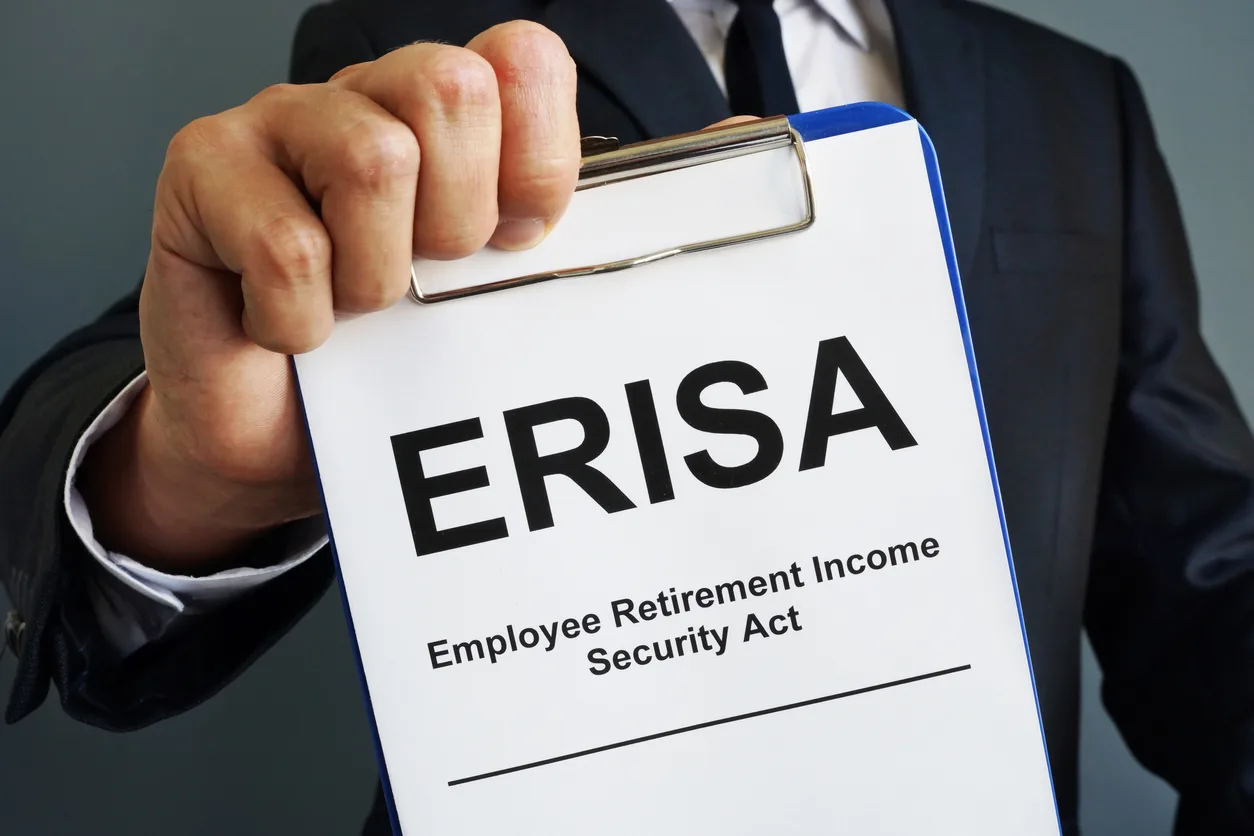
ERISA-covered health and welfare plans must have certain plan documents and provide participants with information about benefits.

Employers that receive a MLR rebate need to determine how the funds may be used.