

Medicare Part D Notices Are Due By October 15
The date for distributing Medicare Part D notices is approaching.
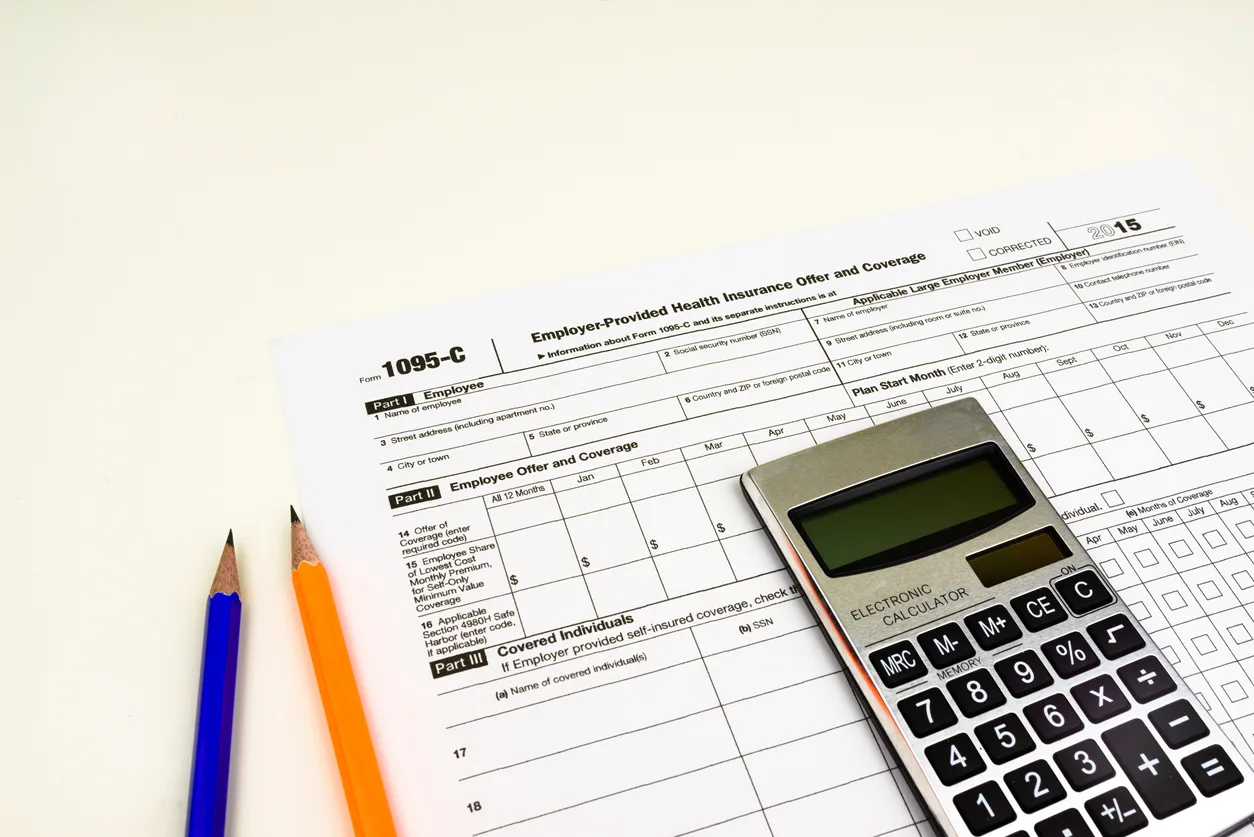
Early fall is the most important time to review and reconcile employee data to ensure accurate Form 1095-C reporting

As the year winds down, HR teams are once again preparing for ACA reporting season. While the official IRS deadlines may still be months away, early fall is the most important time to review and reconcile employee data to ensure accurate Form 1095-C reporting. Delays or inaccuracies in updating hours, eligibility, or plan elections can easily snowball into compliance issues, resulting in costly penalties or time-consuming corrections in the new year.
The Affordable Care Act’s employer mandate requires applicable large employers (ALEs) to offer affordable, minimum essential coverage to eligible full-time employees and to accurately report this information to the IRS. Meeting these requirements depends on maintaining precise and up-to-date data throughout the year. Even small delays, such as a missed eligibility change or a late update to a new hire’s hours, can cause discrepancies between HR, payroll, and benefits records. These inconsistencies often become evident only when the 1095-C forms are being prepared, leaving little time to make corrections.
Now is the ideal time for HR departments to conduct a data audit to verify that everything in the system reflects the current workforce. This review should include:
Addressing these data points early gives HR teams time to correct issues before the reporting process begins. Waiting until January to resolve inconsistencies often means working under pressure while juggling open enrollment wrap-up and year-end payroll tasks.
Taking a proactive approach now also helps avoid potential IRS penalties. Late or inaccurate 1095-C filings can result in fines per employee, and missing offers of coverage to eligible full-time employees can trigger Employer Shared Responsibility Payments. Ensuring that employee data is current and consistent across all systems is the best way to demonstrate compliance and reduce risk.
By reviewing ACA-related data this fall, HR teams can enter the new year confident that reporting will be accurate, timely, and far less stressful. Early preparation not only supports compliance but also strengthens internal data integrity and efficiency across HR and benefits operations.
Benefit Allocation Systems (BAS) provides online solutions for: Employee Benefits Enrollment; COBRA; Flexible Spending Accounts (FSAs); Health Reimbursement Accounts (HRAs); Leave of Absence Premium Billing (LOA); Affordable Care Act Record Keeping, Compliance & IRS Reporting (ACA); Group Insurance Premium Billing; Property & Casualty Premium Billing; and Payroll Integration.
MyEnroll360 integrates with major insurance carriers for enrollment eligibility management (e.g., Blue Cross, Blue Shield, Aetna, United Health Care, Kaiser, CIGNA and others), and with leading payroll platforms for enrollment deduction management (e.g., Workday, ADP, Paylocity, PayCor, UKG, and others).
This article is for informational purposes only and is not intended as legal, tax, or benefits advice. Readers should not rely on this information for taking (or not taking) any action relating to employment, compliance, or benefits. Always consult with a qualified professional before making decisions based on this content.
The date for distributing Medicare Part D notices is approaching.
For employers with multiple related companies, understanding how the ACA treats employees who move between entities is important for accurate eligibility and reporting.

Employers should avoid making eligibility decisions based solely on the employee's relationship to the individual.