
Medicare Part D Notices Are Due By October 15
The date for distributing Medicare Part D notices is approaching.
Understanding social engineering threats is important for keeping company data safe.

Social engineering has become a prominent threat to organizations, as attackers increasingly target individuals rather than systems to exploit vulnerabilities. For employers, understanding and addressing these threats important for safeguarding sensitive company data, including protected health information (PHI).
Social engineering involves manipulating individuals into disclosing sensitive information or performing actions that compromise security. These tactics include phishing, smishing, baiting, and advanced methods like deepfakes. According to the U.S. Department of Health and Human Services (HHS), such attacks are successful because they exploit human behavior, often bypassing even the most robust cybersecurity measures.
The consequences of social engineering can be severe for employers, especially those handling sensitive data subject to regulatory requirements such as HIPAA. A successful attack can result in unauthorized access to electronic PHI (ePHI), data breaches, financial losses, and reputational damage. Between 2019 and 2023, breaches involving hacking or IT incidents reported to the HHS Office for Civil Rights rose by 89%.
Employers can prevent social engineering attacks by implementing both technical safeguards and employee training programs:
Social engineering is a persistent and evolving threat that targets the human element of cybersecurity. Employers must proactively educate their workforce, implement robust technical controls, and foster a culture of vigilance. By addressing these challenges head-on, organizations can better protect their systems, data, and reputation in an increasingly digital workplace.
Benefit Allocation Systems (BAS) provides online solutions for: Employee Benefits Enrollment; COBRA; Flexible Spending Accounts (FSAs); Health Reimbursement Accounts (HRAs); Leave of Absence Premium Billing (LOA); Affordable Care Act Record Keeping, Compliance & IRS Reporting (ACA); Group Insurance Premium Billing; Property & Casualty Premium Billing; and Payroll Integration.
MyEnroll360 integrates with major insurance carriers for enrollment eligibility management (e.g., Blue Cross, Blue Shield, Aetna, United Health Care, Kaiser, CIGNA and others), and with leading payroll platforms for enrollment deduction management (e.g., Workday, ADP, Paylocity, PayCor, UKG, and others).
This article is for informational purposes only and is not intended as legal, tax, or benefits advice. Readers should not rely on this information for taking (or not taking) any action relating to employment, compliance, or benefits. Always consult with a qualified professional before making decisions based on this content.
The date for distributing Medicare Part D notices is approaching.
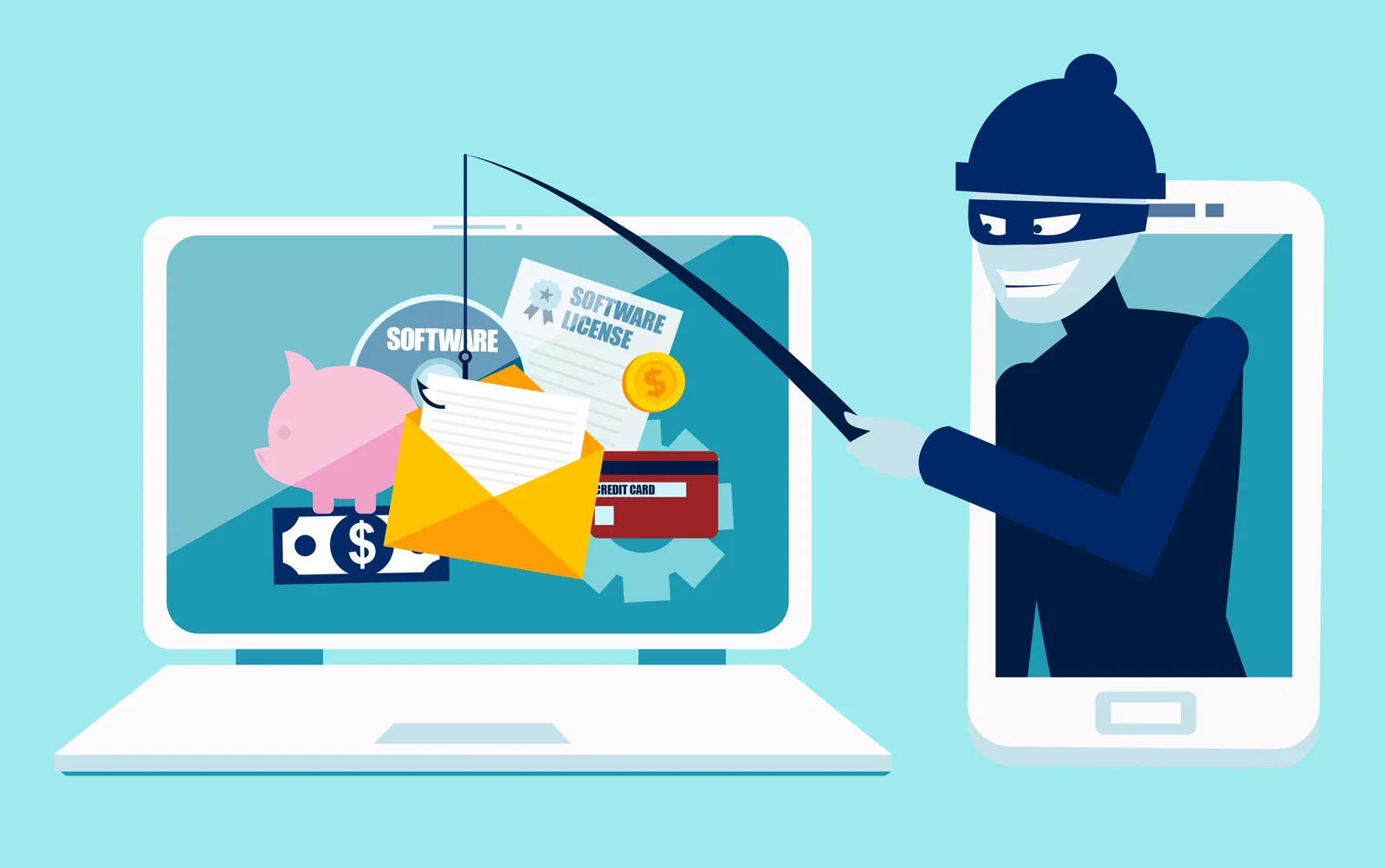
Open enrollment creates new opportunities for benefits-related phishing scams.

For employers with multiple related companies, understanding how the ACA treats employees who move between entities is important for accurate eligibility and reporting.