
Medicare Part D Notices Are Due By October 15
The date for distributing Medicare Part D notices is approaching.
The IRS has issued a warning as part of its annual "Dirty Dozen" tax scams, alerting individuals about the prevalence of fake charities exploiting people's generosity,...
The IRS has issued a warning as part of its annual “Dirty Dozen” tax scams, alerting individuals about the prevalence of fake charities exploiting people’s generosity, particularly during natural disasters and tragedies. These fraudulent organizations not only seek monetary donations but also gather sensitive personal and financial information for identity theft.
As part of the Dirty Dozen campaign, the IRS emphasizes the importance of verifying the legitimacy of charities before making donations. People are urged to utilize the Tax-Exempt Organization Search (TEOS) tool on IRS.gov to ensure that the charity is IRS-recognized. Additionally, individuals should be wary of scammers using email or phone calls to solicit donations, especially targeting vulnerable groups like seniors.
To avoid falling victim to these scams, the IRS provides several tips:
Individuals are encouraged to report abusive tax practices and fraudulent tax preparers. Reporting can be done using Form 14242, Report Suspected Abusive Tax Promotions or Preparers, either online or via mail or fax to the IRS Lead Development Center. Reporting may also be eligible for monetary rewards through the IRS Whistleblower Office.
By following these precautions and reporting suspicious activities, taxpayers can protect themselves and contribute to combating fraudulent practices in charitable giving.
Benefit Allocation Systems (BAS) provides online solutions for: Employee Benefits Enrollment; COBRA; Flexible Spending Accounts (FSAs); Health Reimbursement Accounts (HRAs); Leave of Absence Premium Billing (LOA); Affordable Care Act Record Keeping, Compliance & IRS Reporting (ACA); Group Insurance Premium Billing; Property & Casualty Premium Billing; and Payroll Integration.
MyEnroll360 integrates with major insurance carriers for enrollment eligibility management (e.g., Blue Cross, Blue Shield, Aetna, United Health Care, Kaiser, CIGNA and others), and with leading payroll platforms for enrollment deduction management (e.g., Workday, ADP, Paylocity, PayCor, UKG, and others).
This article is for informational purposes only and is not intended as legal, tax, or benefits advice. Readers should not rely on this information for taking (or not taking) any action relating to employment, compliance, or benefits. Always consult with a qualified professional before making decisions based on this content.
The date for distributing Medicare Part D notices is approaching.
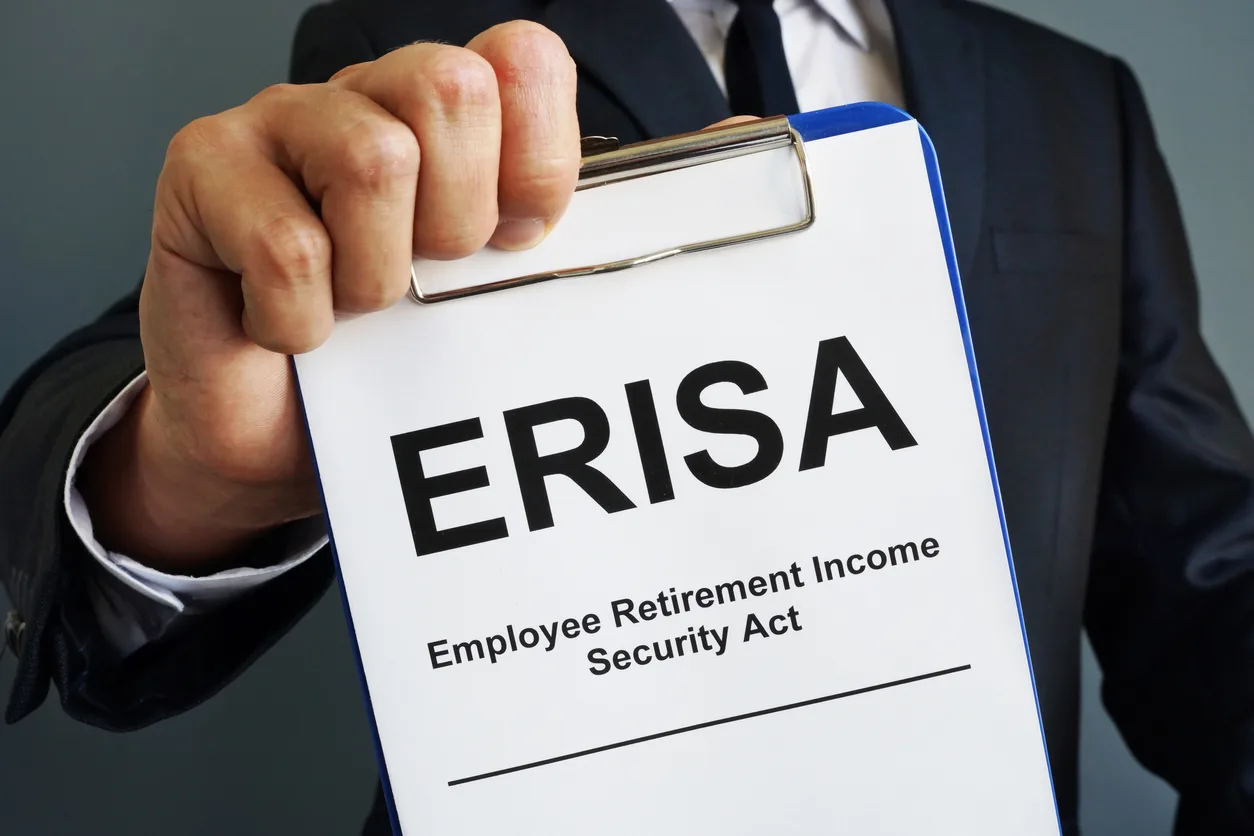
ERISA-covered health and welfare plans must have certain plan documents and provide participants with information about benefits.

Employers that receive a MLR rebate need to determine how the funds may be used.