

Medicare Part D Notices Are Due By October 15
The date for distributing Medicare Part D notices is approaching.

Employees who contribute to or take a distribution from an HSA must file Form 8889 with their federal tax return.

As the tax season approaches, employers should remind employees who contribute to a Health Savings Account (HSA) that they must file IRS Form 8889 with their federal tax return. This form is required for reporting HSA contributions and distributions.
A Health Savings Account (HSA) is a tax-advantaged savings account designed to help individuals save for medical expenses. HSAs are available to individuals enrolled in a high-deductible health plan (HDHP). Contributions to an HSA can be made by the individual, their employer, or both. Funds in an HSA grow tax-free and can be used to pay for qualified medical expenses.
To participate in an HSA, an individual must:
HSA funds can be used to pay for a wide range of qualified medical expenses, including:
If HSA funds are used for non-qualified expenses, the amount withdrawn will be subject to income tax and an additional 20% penalty. However, the 20% penalty does not apply to individuals age 65 or older.
Form 8889, Health Savings Accounts (HSAs), is used by HSA account holders to:
The IRS recently released instructions for the 2024 version of Form 8889, providing updated guidance on how to complete the form. Employers should encourage employees to review these instructions and consult a tax professional if needed to ensure accurate reporting.
For employees who contribute to an HSA, filing Form 8889 is a key part of their tax reporting responsibilities. Employers can support their teams by providing educational resources about HSAs and tax filing requirements.
Benefit Allocation Systems (BAS) provides online solutions for: Employee Benefits Enrollment; COBRA; Flexible Spending Accounts (FSAs); Health Reimbursement Accounts (HRAs); Leave of Absence Premium Billing (LOA); Affordable Care Act Record Keeping, Compliance & IRS Reporting (ACA); Group Insurance Premium Billing; Property & Casualty Premium Billing; and Payroll Integration.
MyEnroll360 integrates with major insurance carriers for enrollment eligibility management (e.g., Blue Cross, Blue Shield, Aetna, United Health Care, Kaiser, CIGNA and others), and with leading payroll platforms for enrollment deduction management (e.g., Workday, ADP, Paylocity, PayCor, UKG, and others).
This article is for informational purposes only and is not intended as legal, tax, or benefits advice. Readers should not rely on this information for taking (or not taking) any action relating to employment, compliance, or benefits. Always consult with a qualified professional before making decisions based on this content.
The date for distributing Medicare Part D notices is approaching.
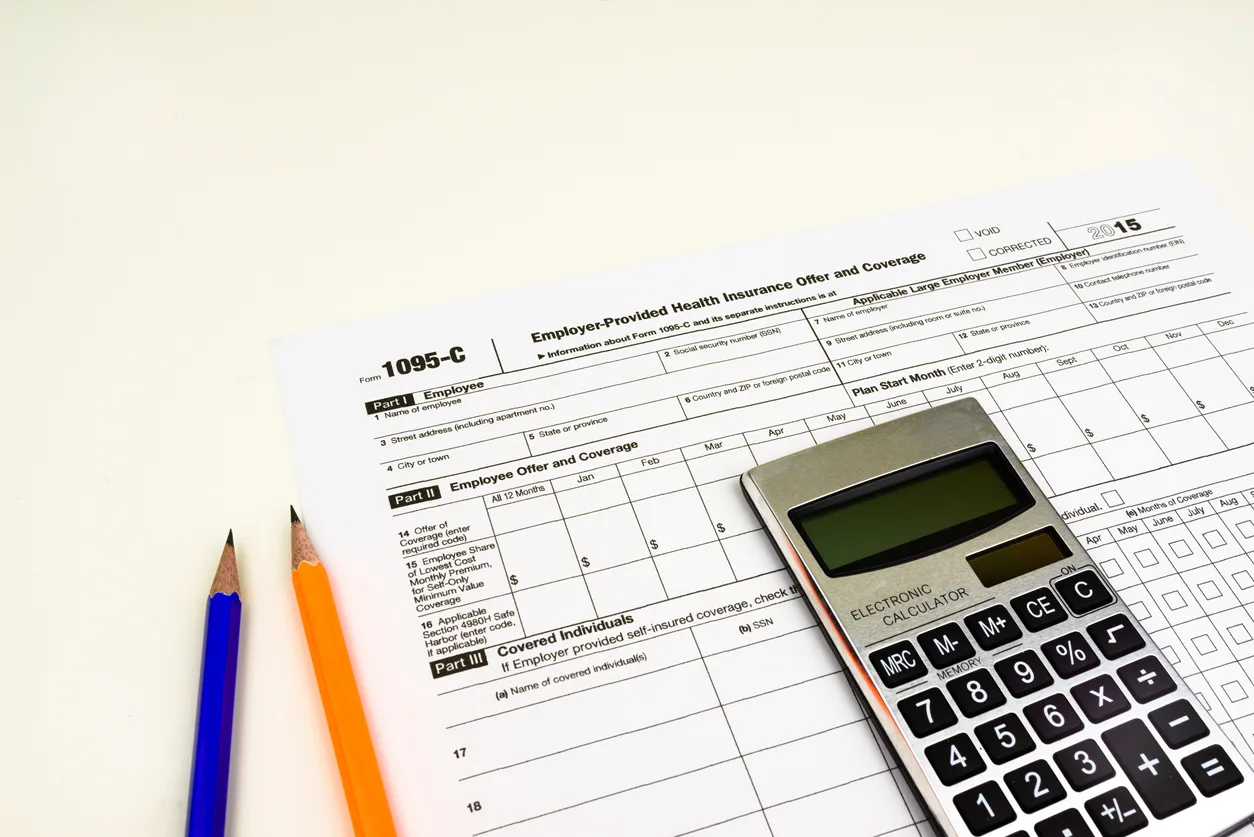
For employers with multiple related companies, understanding how the ACA treats employees who move between entities is important for accurate eligibility and reporting.

Employers should avoid making eligibility decisions based solely on the employee's relationship to the individual.