
Medicare Part D Notices Are Due By October 15
The date for distributing Medicare Part D notices is approaching.
Employers must collect Social Security Numbers for both employees and covered dependents.
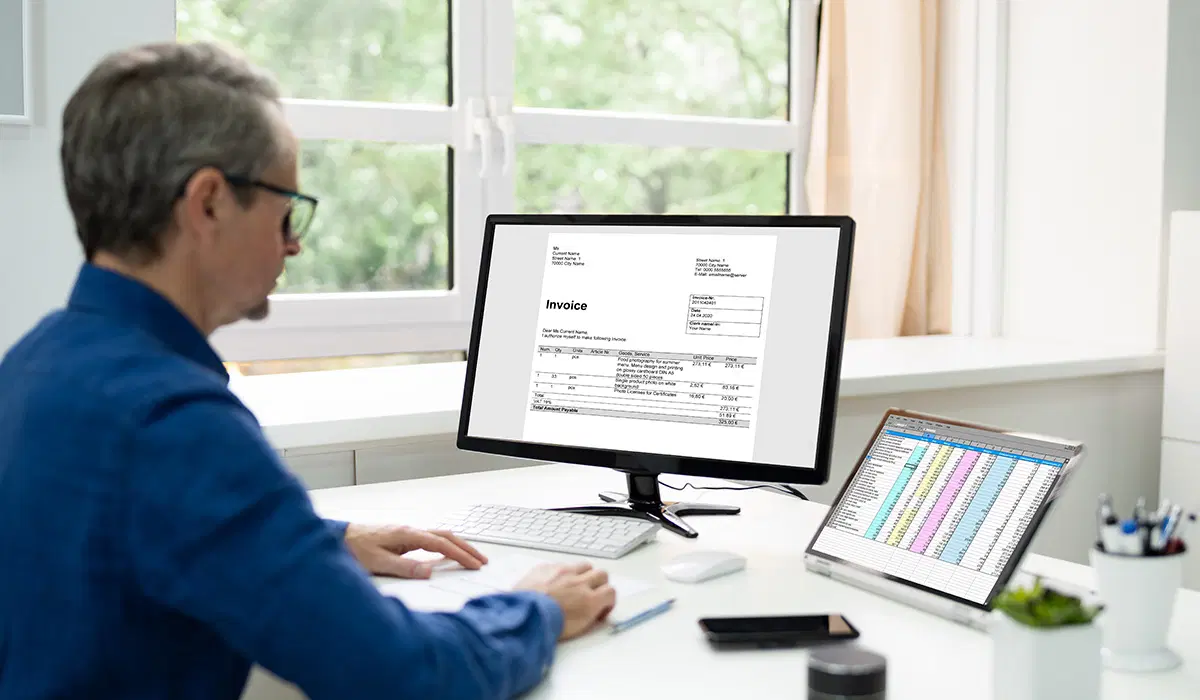
As part of ongoing Affordable Care Act (ACA) compliance, employers should ensure they are collecting Social Security Numbers (SSNs) not only for employees but also for all covered dependents enrolled in the employer-sponsored health plan. While this may seem like a minor detail, it plays an important role in ACA reporting and avoiding IRS penalties.
Under IRS regulations, Applicable Large Employers (ALEs) must report coverage information annually using Forms 1095-C and 1094-C. These forms allow the IRS to enforce both the individual and employer mandates and to verify whether individuals had minimum essential coverage (MEC).
To do this accurately, the IRS requires a Taxpayer Identification Number (TIN)—usually a Social Security Number—for each covered individual. This includes spouses and dependent children enrolled in the health plan.
If a dependent’s SSN is not available, the IRS allows employers to use the dependent’s date of birth—but only if they have made a reasonable effort to obtain the SSN first.
To meet the “reasonable effort” standard, employers must:
Failing to follow this process can result in inaccurate or incomplete filings, which may lead to IRS penalties for incorrect Forms 1095-C.
Collecting dependent SSNs may not seem urgent until reporting time—but by then, it’s often too late. Building this into your enrollment and documentation process now can help your organization stay in compliance and reduce reporting burdens later in the year.
Benefit Allocation Systems (BAS) provides online solutions for: Employee Benefits Enrollment; COBRA; Flexible Spending Accounts (FSAs); Health Reimbursement Accounts (HRAs); Leave of Absence Premium Billing (LOA); Affordable Care Act Record Keeping, Compliance & IRS Reporting (ACA); Group Insurance Premium Billing; Property & Casualty Premium Billing; and Payroll Integration.
MyEnroll360 integrates with major insurance carriers for enrollment eligibility management (e.g., Blue Cross, Blue Shield, Aetna, United Health Care, Kaiser, CIGNA and others), and with leading payroll platforms for enrollment deduction management (e.g., Workday, ADP, Paylocity, PayCor, UKG, and others).
This article is for informational purposes only and is not intended as legal, tax, or benefits advice. Readers should not rely on this information for taking (or not taking) any action relating to employment, compliance, or benefits. Always consult with a qualified professional before making decisions based on this content.
The date for distributing Medicare Part D notices is approaching.

Open enrollment creates new opportunities for benefits-related phishing scams.

For employers with multiple related companies, understanding how the ACA treats employees who move between entities is important for accurate eligibility and reporting.