Personal Email and Work Data Don't Mix
Sending a work document to a personal email account can move sensitive information outside of an employer’s security protections.
As summer winds down and seasonal employees return to school, employers that hired workers under age 18 have an opportunity to look back at their summer employment practices and prepare for next year.
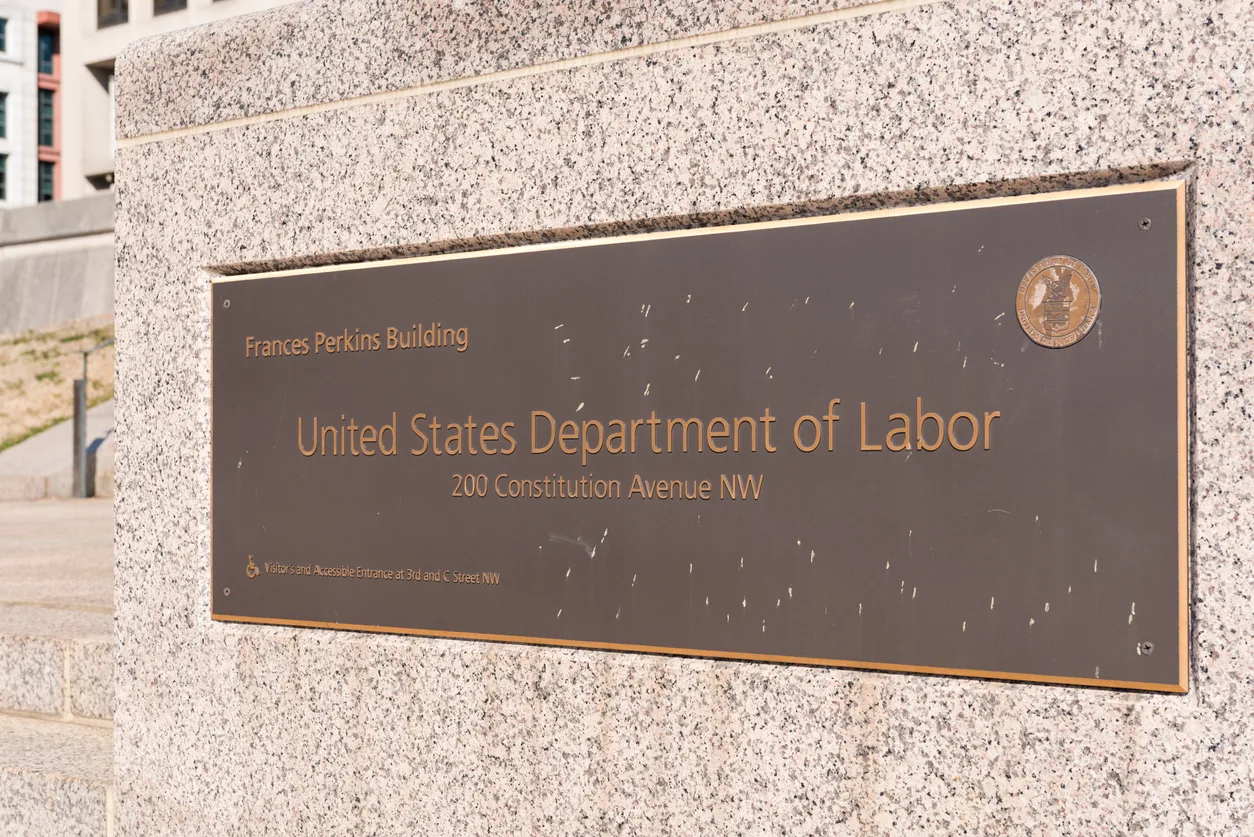
In recent guidance, the U.S. Department of Labor’s Wage and Hour Division (WHD) encouraged employers to use the end of the summer hiring season to evaluate what worked, identify potential compliance issues, and strengthen their youth employment practices before the next seasonal hiring cycle. The DOL encourages use of the Youth Employment Toolkit.
Youth employment rules under the Fair Labor Standards Act (FLSA) restrict both the hours certain minors may work and the types of work they may perform. Employers also need to consider applicable state child labor laws, which may impose additional or more restrictive requirements.
A good compliance review should start with the employer’s actual experience.
Were young employees scheduled for appropriate hours based on their ages? Were supervisors aware that certain duties or equipment were prohibited? Were employees ever asked to perform tasks outside their permitted job duties? Did scheduling changes create situations in which a minor worked later or longer than permitted?
The DOL specifically recommends reviewing compliance concerns and even “near misses.” A scheduling problem that was corrected before a violation occurred, for example, may reveal a weakness in the employer’s scheduling procedures that should be addressed before next summer.
Employers should also consider whether supervisors had sufficient information to properly manage younger workers. Front-line supervisors often make day-to-day decisions about schedules and job assignments, making their understanding of youth employment restrictions an important part of an effective compliance program.
The DOL also recommends seeking feedback from both young workers and their supervisors.
Employers can ask young workers whether the rules concerning their schedules and job responsibilities were clearly communicated. Did employees understand that the rules can differ based on age? Did they know whom to contact if they had a question about whether they could perform a particular task?
Supervisors can provide a different perspective. They may have encountered practical difficulties involving scheduling, prohibited duties, equipment use, or coverage when other employees were unavailable.
This feedback can help HR determine whether policies, training, scheduling controls, or supervisor instructions should be updated before the next group of seasonal workers arrives.
Federal youth employment rules vary significantly depending on the employee’s age.
Employees who are 14 or 15 generally may work only outside school hours, are subject to restrictions on the number and timing of hours they may work, and may perform only certain non-hazardous jobs.
Federal law generally permits 16- and 17-year-olds to work unlimited hours, but they may not perform occupations that the Secretary of Labor has declared hazardous. These restrictions can include work involving certain power-driven machinery, forklifts, roofing, driving, and other hazardous activities.
Once an employee reaches age 18, the federal youth employment restrictions generally no longer apply.
Employers should not assume that because a young employee appears capable of performing a particular task, or has performed it elsewhere, the work is legally permitted for that employee’s age.
Federal law is only part of the analysis.
States may impose additional requirements governing youth employment, including work permits, permitted working hours and other restrictions. When both federal and state youth employment laws apply, employers generally must comply with the more protective standard.
For employers operating in multiple states, this means a single companywide youth employment policy may not address every applicable requirement. HR should review the rules for each state in which minors will be employed.
Employers do not need to wait until next summer to address problems identified during this year’s hiring season.
Consider reviewing job descriptions for positions filled by minors to confirm that prohibited duties are not included. Examine scheduling practices to determine whether age-based restrictions can be incorporated into the scheduling process. Review onboarding materials and determine whether managers responsible for young employees need additional training.
Employers should also consider whether HR has a reliable process for identifying an employee’s age before assigning work or establishing a schedule. A supervisor cannot properly apply age-based restrictions if the supervisor does not know that the employee is subject to them.
The DOL’s Youth Employment Compliance Toolkit provides employers with information on federal requirements, industry-specific guidance, compliance resources, and best practices. The DOL also offers self-assessment tools employers can use to evaluate their youth employment practices.
Child labor violations can result in significant civil monetary penalties, with substantially greater consequences when a violation contributes to the serious injury or death of a minor. Penalties may also be increased for willful or repeated violations.
More importantly, many youth employment violations can be prevented through planning. Problems often arise not because an employer deliberately disregards the rules, but because a manager changes a schedule, assigns an additional task, or allows a young worker to use equipment without realizing that different requirements apply because of the employee’s age.
The end of the summer season is therefore an ideal time for HR to identify those risks while the experience is still fresh. A short review now can help employers enter next year’s hiring season with clearer procedures, better-informed supervisors, and stronger youth employment compliance.
Benefit Allocation Systems (BAS) provides online solutions for: Employee Benefits Enrollment; COBRA; Flexible Spending Accounts (FSAs); Health Reimbursement Accounts (HRAs); Leave of Absence Premium Billing (LOA); Affordable Care Act Record Keeping, Compliance & IRS Reporting (ACA); Group Insurance Premium Billing; Property & Casualty Premium Billing; and Payroll Integration.
MyEnroll360 integrates with major insurance carriers for enrollment eligibility management (e.g., Blue Cross, Blue Shield, Aetna, United Health Care, Kaiser, CIGNA and others), and with leading payroll platforms for enrollment deduction management (e.g., Workday, ADP, Paylocity, PayCor, UKG, and others).
This article is for informational purposes only and is not intended as legal, tax, or benefits advice. Readers should not rely on this information for taking (or not taking) any action relating to employment, compliance, or benefits. Always consult with a qualified professional before making decisions based on this content.
Sending a work document to a personal email account can move sensitive information outside of an employer’s security protections.
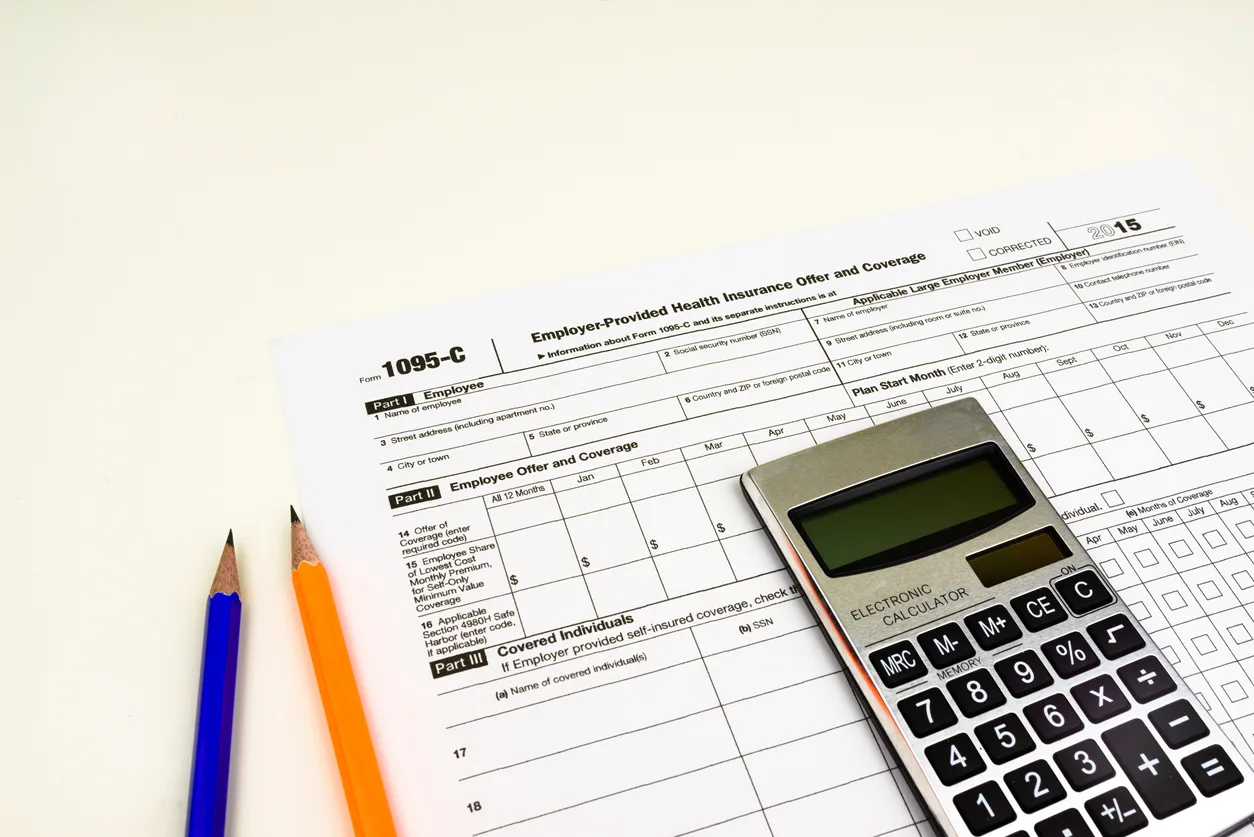
The FPL safe harbor is often the most predictable option for employers.
ALEs must continuously make sure coverage is offered to enough of the right employees at the right time.