
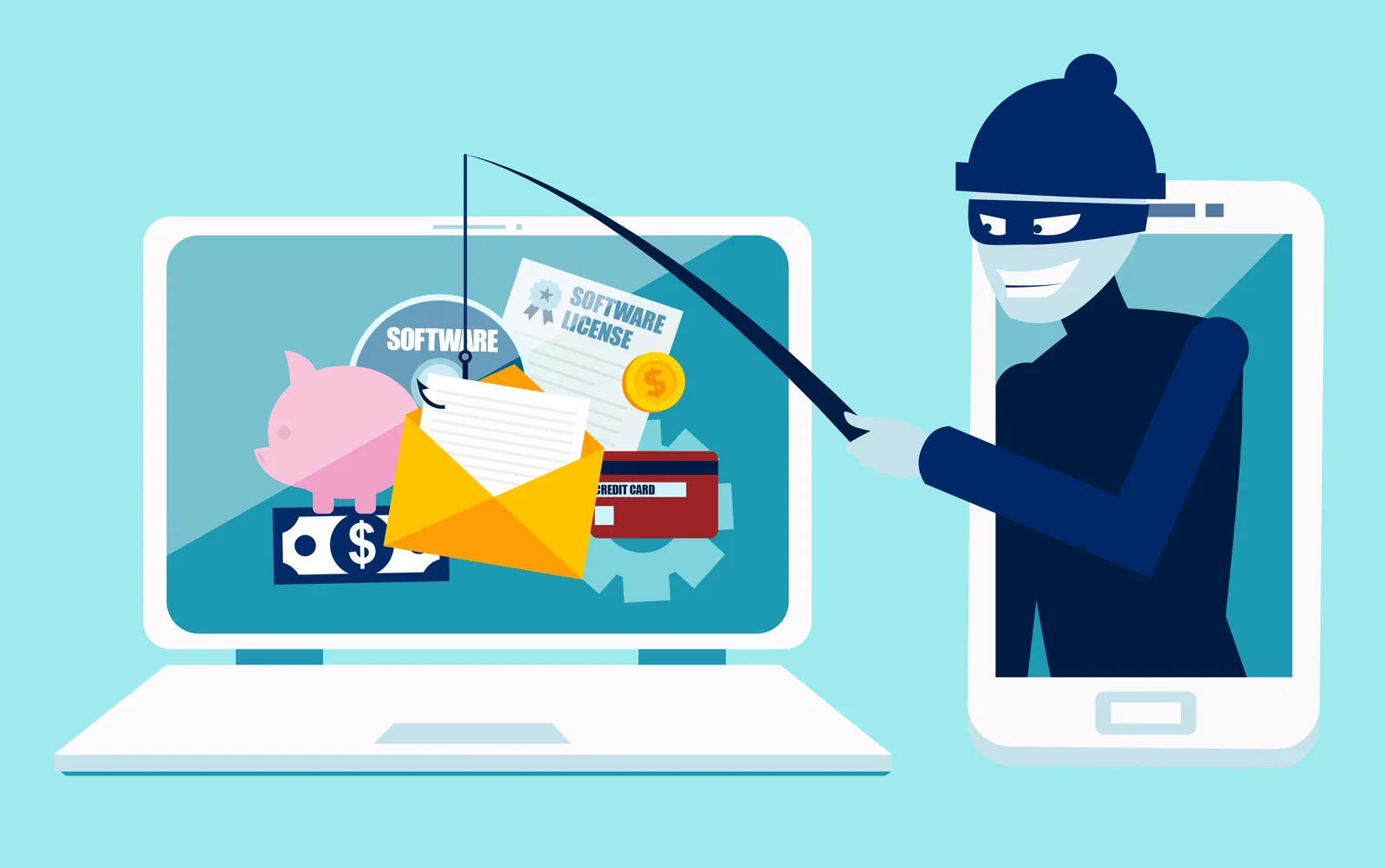
Open Enrollment Season Is Also Phishing Season
Open enrollment creates new opportunities for benefits-related phishing scams.

Protecting employee benefit data requires a combination of strong systems, clear policies, and ongoing training.

Employee benefit data includes some of the most sensitive information an organization handles including Social Security numbers, health coverage elections, dependent details, and payroll deductions. For HR teams, safeguarding this information is both a legal obligation and a matter of employee trust. A single breach or mishandled file can lead to identity theft, regulatory penalties, and reputational harm. The good news is that with proactive measures, HR professionals can help ensure benefit data is protected at every stage.
Start by applying the principle of least privilege: only grant access to benefits data to individuals who require it for their job. Use role-based access controls. Be cautious with shared logins or overly broad permissions, and routinely review access levels, especially after internal staffing changes.
Make sure benefit data is housed in secure, encrypted systems. Avoid sending personal data by unencrypted email. Instead, use secure portals, SFTP, or encrypted email solutions when transmitting data to carriers, brokers, or vendors.
Even as most benefit processes move online, physical documents still pose risks. Store paper files with sensitive information in locked cabinets, and limit access to those with a business need. When disposing of documents, use a certified shredding service or a cross-cut shredder to destroy them thoroughly.
Cybersecurity is a shared responsibility. Offer basic data security training to all HR staff, including how to spot phishing emails, create strong passwords, and handle sensitive files securely. Review your contracts with vendors to ensure they meet appropriate data protection standards and conduct due diligence on their privacy practices.
With more HR work happening remotely, it’s essential to address data protection outside the office. Prohibit the storage of benefit data on personal devices, require use of company-approved VPNs and devices, and remind staff not to download or print sensitive files at home unless necessary and secured.
Regularly audit your systems and processes to ensure compliance with security protocols. Monitor system logs for unauthorized access attempts and conduct periodic reviews of stored data to ensure nothing is retained longer than necessary under applicable retention policies.
HR professionals should be familiar with applicable laws such as HIPAA, the GDPR (if applicable), and state privacy laws. Depending on your organization’s structure, these laws may impose specific security, notice, and breach response requirements.
Protecting employee benefit data requires a combination of strong systems, clear policies, and ongoing training. As the custodians of sensitive personal information, HR teams play an important role in building a secure environment that respects employee privacy and maintains regulatory compliance. With a few practical measures, HR can significantly reduce risk while reinforcing trust in the organization’s benefits program.
Benefit Allocation Systems (BAS) provides online solutions for: Employee Benefits Enrollment; COBRA; Flexible Spending Accounts (FSAs); Health Reimbursement Accounts (HRAs); Leave of Absence Premium Billing (LOA); Affordable Care Act Record Keeping, Compliance & IRS Reporting (ACA); Group Insurance Premium Billing; Property & Casualty Premium Billing; and Payroll Integration.
MyEnroll360 integrates with major insurance carriers for enrollment eligibility management (e.g., Blue Cross, Blue Shield, Aetna, United Health Care, Kaiser, CIGNA and others), and with leading payroll platforms for enrollment deduction management (e.g., Workday, ADP, Paylocity, PayCor, UKG, and others).
This article is for informational purposes only and is not intended as legal, tax, or benefits advice. Readers should not rely on this information for taking (or not taking) any action relating to employment, compliance, or benefits. Always consult with a qualified professional before making decisions based on this content.
Open enrollment creates new opportunities for benefits-related phishing scams.
Downloading a report may take only a few seconds, but the file can remain on a computer for months or even years.

A security review before enrollment begins can help eliminate unnecessary risks.