
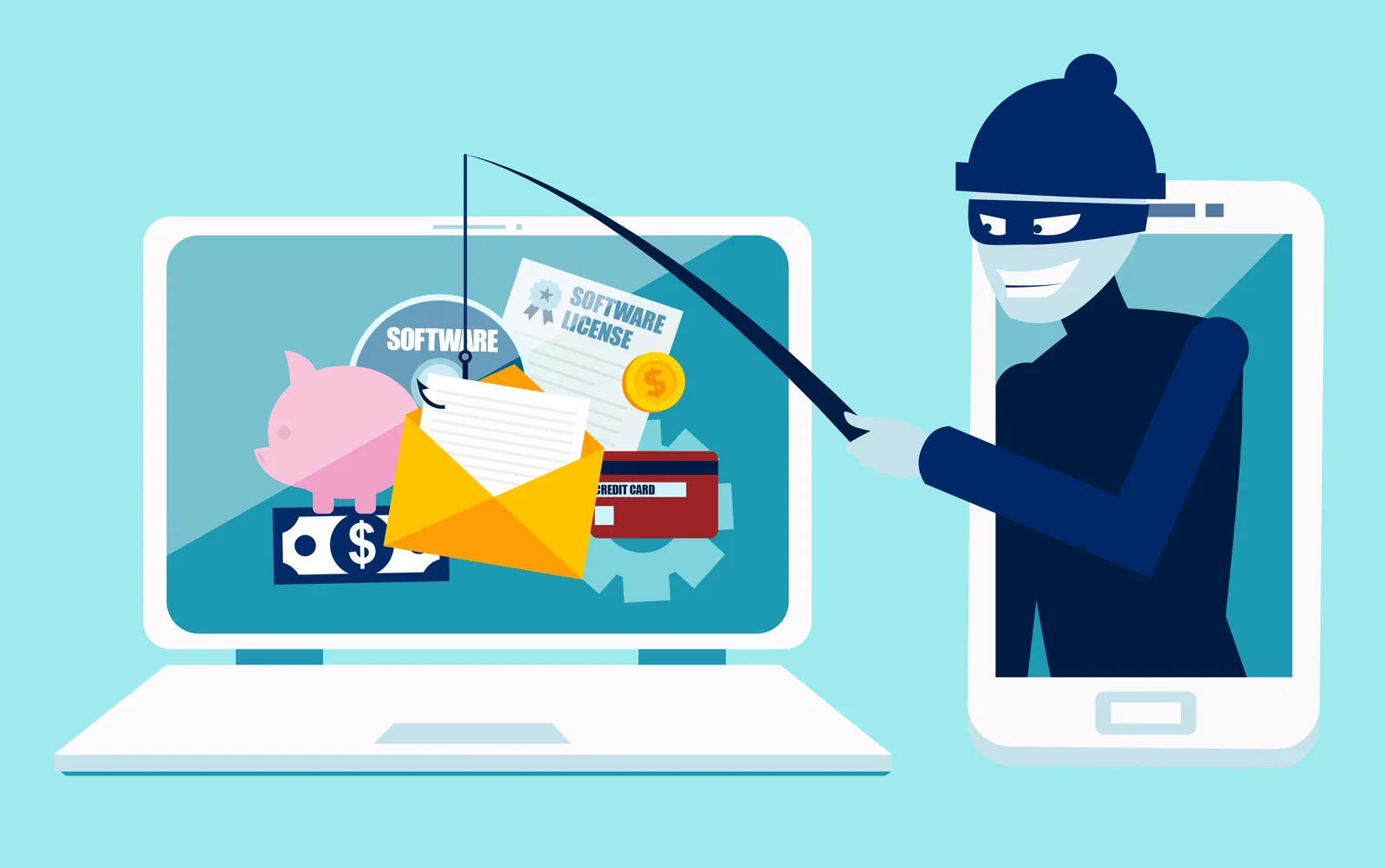
Open Enrollment Season Is Also Phishing Season
Open enrollment creates new opportunities for benefits-related phishing scams.

Cybercriminal phishing attempts are getting more sophisticated, now reaching HR teams via text messages, voicemails, QR codes, and fake benefit notices.

Most people think of phishing as suspicious emails asking you to click a link. While email phishing still exists, attackers now use many different communication channels that feel more personal and harder to question. Text messages, voicemails, QR codes, and even fake benefits notices are increasingly common because they look routine and urgent.
For HR and benefits teams, this matters. Payroll data, benefit elections, Social Security numbers, and banking details are highly valuable to attackers. The more realistic the message appears, the more likely someone will respond before stopping to verify it.
Below are common phishing methods employees are encountering today and what to watch for.
Attackers send texts pretending to be HR, payroll, a carrier, or an administrator.
These messages often include shortened links or unfamiliar web addresses and create urgency so the recipient acts quickly.
Fraudsters now leave convincing automated voicemails or call directly, posing as HR staff, IT support, or a benefits carrier.
They rely on employees returning the call and volunteering information.
QR codes appear harmless because people associate them with menus and quick access. Attackers use them in printed flyers, emails, and mailed notices to bypass traditional link inspection.
Once scanned, the code directs you to a fake login page designed to capture credentials.
Because benefits communications are routine, they are frequently impersonated.
These messages look legitimate because attackers copy logos, signatures, and formatting from real communications.
Before clicking, scanning, replying, or calling back:
Remember, legitimate HR or benefits administrators will not ask for sensitive information through unexpected messages.
Even if you did not interact with the message, reporting it helps prevent others from falling victim. Many attacks target multiple employees at once, and early reporting allows organizations to block and warn quickly.
Phishing attempts now look routine and familiar. Taking a moment to verify before responding remains one of the most effective ways to protect personal and company information.
Benefit Allocation Systems (BAS) provides online solutions for: Employee Benefits Enrollment; COBRA; Flexible Spending Accounts (FSAs); Health Reimbursement Accounts (HRAs); Leave of Absence Premium Billing (LOA); Affordable Care Act Record Keeping, Compliance & IRS Reporting (ACA); Group Insurance Premium Billing; Property & Casualty Premium Billing; and Payroll Integration.
MyEnroll360 integrates with major insurance carriers for enrollment eligibility management (e.g., Blue Cross, Blue Shield, Aetna, United Health Care, Kaiser, CIGNA and others), and with leading payroll platforms for enrollment deduction management (e.g., Workday, ADP, Paylocity, PayCor, UKG, and others).
This article is for informational purposes only and is not intended as legal, tax, or benefits advice. Readers should not rely on this information for taking (or not taking) any action relating to employment, compliance, or benefits. Always consult with a qualified professional before making decisions based on this content.
Open enrollment creates new opportunities for benefits-related phishing scams.
Downloading a report may take only a few seconds, but the file can remain on a computer for months or even years.

A security review before enrollment begins can help eliminate unnecessary risks.