Medicare Part D Notices Are Due By October 15
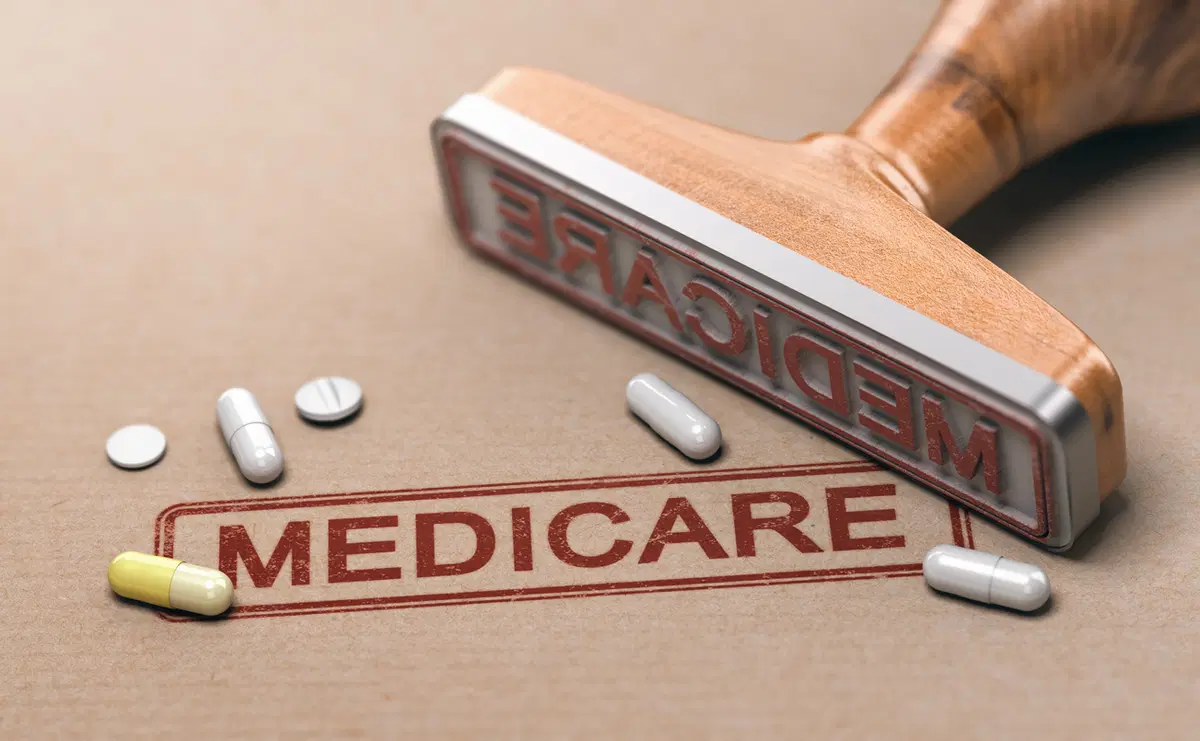
The date for distributing Medicare Part D notices is approaching.
Learn about ACA Compliance for HR: Affordable Care Act (ACA) explained, Safe Harbors, & IRS guidelines. Stay compliant with our expert insights!

Introduction:
For HR professionals working in companies with 50 or more full-time employees, complying with the Affordable Care Act (ACA) is essential. Applicable Large Employers must provide minimum essential coverage that is both affordable and meets certain criteria. In this article, we’ll explore the concept of affordability, the IRS’s affordability percentage guidelines, and three safe harbors available to determine plan affordability.
Applicable Large Employers are required to offer at least 95% of their full-time employees minimum essential coverage that is considered affordable. Affordability is defined based on the premium for self-only coverage not exceeding a certain percentage of the employee’s household income.
The IRS sets the affordability percentage annually. In 2023, the percentage is 9.12% while in 2022 it was 9.61%. This baseline percentage serves as a benchmark for employers to determine if their offer of coverage meet the affordability requirement for a particular employee. The coverage may cost not more than the set percentage of the employee’s household income.
To simplify the process of determining affordability, employers can use one of three ACA affordability safe harbors. These safe harbors provide alternative methods to assess affordability without requiring detailed knowledge of each employee’s household income.
Since household income is not readily available, employers use one of three ACA affordability safe harbors to determine if their plans are affordable.
Many employers wish to use the Federal Poverty Line Safe Harbor as it is easily calculated and can allow an employer to identify Code 1A on Line 14 of an employee’s Form 1095-C, which the IRS seems to prefer.
Conclusion:
As HR professionals navigate the complexities of ACA compliance for Applicable Large Employers, understanding plan affordability and safe harbor options is crucial. While each safe harbor provides a different method of assessing affordability, the Federal Poverty Line Safe Harbor is a popular choice due to its simplicity and IRS preference. By staying up-to-date with the IRS’s annual percentage guidelines, HR professionals can ensure their company’s health plans remain compliant with ACA regulations.
Benefit Allocation Systems (BAS) provides online solutions for: Employee Benefits Enrollment; COBRA; Flexible Spending Accounts (FSAs); Health Reimbursement Accounts (HRAs); Leave of Absence Premium Billing (LOA); Affordable Care Act Record Keeping, Compliance & IRS Reporting (ACA); Group Insurance Premium Billing; Property & Casualty Premium Billing; and Payroll Integration.
MyEnroll360 integrates with major insurance carriers for enrollment eligibility management (e.g., Blue Cross, Blue Shield, Aetna, United Health Care, Kaiser, CIGNA and others), and with leading payroll platforms for enrollment deduction management (e.g., Workday, ADP, Paylocity, PayCor, UKG, and others).
This article is for informational purposes only and is not intended as legal, tax, or benefits advice. Readers should not rely on this information for taking (or not taking) any action relating to employment, compliance, or benefits. Always consult with a qualified professional before making decisions based on this content.
The date for distributing Medicare Part D notices is approaching.

For employers with multiple related companies, understanding how the ACA treats employees who move between entities is important for accurate eligibility and reporting.

Employers should avoid making eligibility decisions based solely on the employee's relationship to the individual.