

Preparing for the 2027 ACA Affordability Requirements
As employers prepare their health plan offerings for 2027, reviewing employee premium contributions should be an important part of the planning process.

A little cleanup before open enrollment can help prevent problems, reduce corrections, and make the transition to the new benefit year smoother.

For employers with calendar-year benefit plans, open enrollment is quickly approaching. While much of the preparation understandably focuses on plan changes, rates, employee communications, and enrollment materials, there is another important task employers should complete before enrollment begins: reviewing the employee and dependent data already in their benefits system.
Open enrollment depends on accurate information. If the underlying data is outdated or incorrect, even a well-planned enrollment can result in coverage problems, incorrect benefit options, enrollment discrepancies, and additional work for HR after the new plan year begins.
Basic demographic information may seem routine, but errors can create problems when enrollment information is transmitted to insurance carriers and other benefit vendors. Before open enrollment, employers should review employee records for information such as:
Pay particular attention to missing information and records that have not been updated recently. An employee who moved, changed a name, transferred positions, or changed employment status during the year may still have outdated information in the benefits system.
Accurate demographic information is only part of the equation. Employers should also confirm that employees are assigned to the correct benefit eligibility groups.
For example, an employee who changed from part-time to full-time status may now be eligible for benefits that were not previously available. An employee who transferred to a different location, bargaining unit, or employee class may have different plan options or contribution requirements.
Employers should review the eligibility rules for the upcoming plan year and make sure the information used to apply those rules is current before employees begin making elections.
Open enrollment is also a good time to review dependent information. Employers may find duplicate dependent records, missing dates of birth or Social Security numbers, outdated addresses, or dependents whose circumstances have changed.
Employers should also consider whether any dependents may no longer satisfy the plan’s eligibility requirements. Any review should be based on the actual terms of the applicable benefit plan rather than assumptions about who is or is not eligible.
Giving employees an opportunity to review their covered dependents during open enrollment can help identify changes that may not have been reported to HR during the year.
An employee may be terminated in payroll but remain active in another HR or benefits system if information was not properly communicated between systems. These discrepancies can lead to incorrect carrier enrollment, premium payments for individuals who should no longer be covered, or other administrative problems.
Before open enrollment, compare active employee populations among the systems used by HR, payroll, benefits administrators, and, where appropriate, carriers. Differences should be investigated rather than assuming one system is correct.
Many employers maintain employee information in several places. Payroll may contain one set of information, the HR system another, and the benefits administration system another. Insurance carriers and other vendors may maintain their own enrollment records as well.
Open enrollment provides a good opportunity to identify inconsistencies before large volumes of new enrollment information begin moving among those systems.
A simple comparison can uncover problems such as an employee appearing under different names, an incorrect date of birth, an outdated employment status, a dependent appearing twice, or an employee assigned to the wrong benefit class.
Employees should certainly be encouraged to review their personal and dependent information during open enrollment. However, employers should not rely solely on employees to identify errors.
Employees generally focus on the information most important to them: which plans are available, how much they cost, and which benefits they want to elect. They may not see, understand, or have access to all of the employment and eligibility information that determines what appears during enrollment.
HR should complete its own review before enrollment opens and then use employee review as an additional opportunity to identify discrepancies.
Employee information should be maintained throughout the year, but the weeks leading up to open enrollment provide a natural opportunity for a more comprehensive review.
Before opening enrollment for the new plan year, confirm that active employees are properly identified, terminated employees have been removed where appropriate, eligibility classifications are correct, dependent records are current, and the information being sent to carriers and benefit vendors matches the employer’s records.
A little cleanup before open enrollment can help prevent enrollment problems, reduce corrections after January 1, and make the transition to the new benefit year much smoother for both HR and employees.
Benefit Allocation Systems (BAS) provides online solutions for: Employee Benefits Enrollment; COBRA; Flexible Spending Accounts (FSAs); Health Reimbursement Accounts (HRAs); Leave of Absence Premium Billing (LOA); Affordable Care Act Record Keeping, Compliance & IRS Reporting (ACA); Group Insurance Premium Billing; Property & Casualty Premium Billing; and Payroll Integration.
MyEnroll360 integrates with major insurance carriers for enrollment eligibility management (e.g., Blue Cross, Blue Shield, Aetna, United Health Care, Kaiser, CIGNA and others), and with leading payroll platforms for enrollment deduction management (e.g., Workday, ADP, Paylocity, PayCor, UKG, and others).
This article is for informational purposes only and is not intended as legal, tax, or benefits advice. Readers should not rely on this information for taking (or not taking) any action relating to employment, compliance, or benefits. Always consult with a qualified professional before making decisions based on this content.
As employers prepare their health plan offerings for 2027, reviewing employee premium contributions should be an important part of the planning process.

Benefits adjustments can create financial, operational, and compliance challenges.
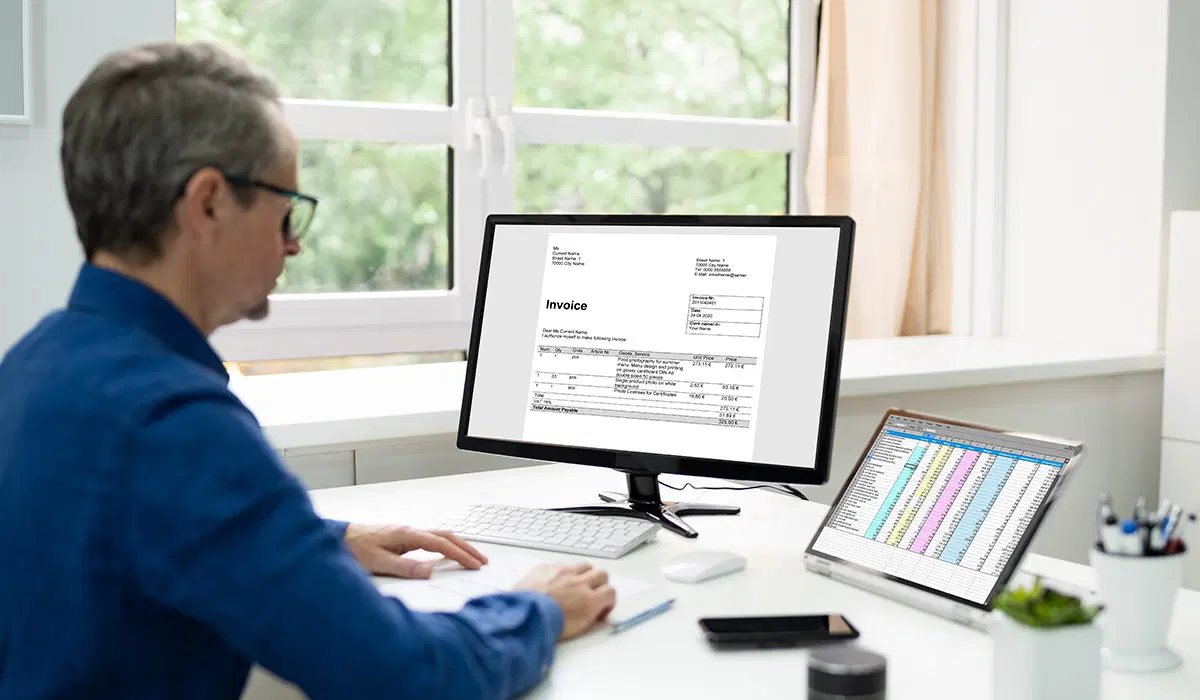
Ensuring information is accurate and consistent across systems is an important part of meeting ACA requirements.