
Open Enrollment Season Is Also Phishing Season
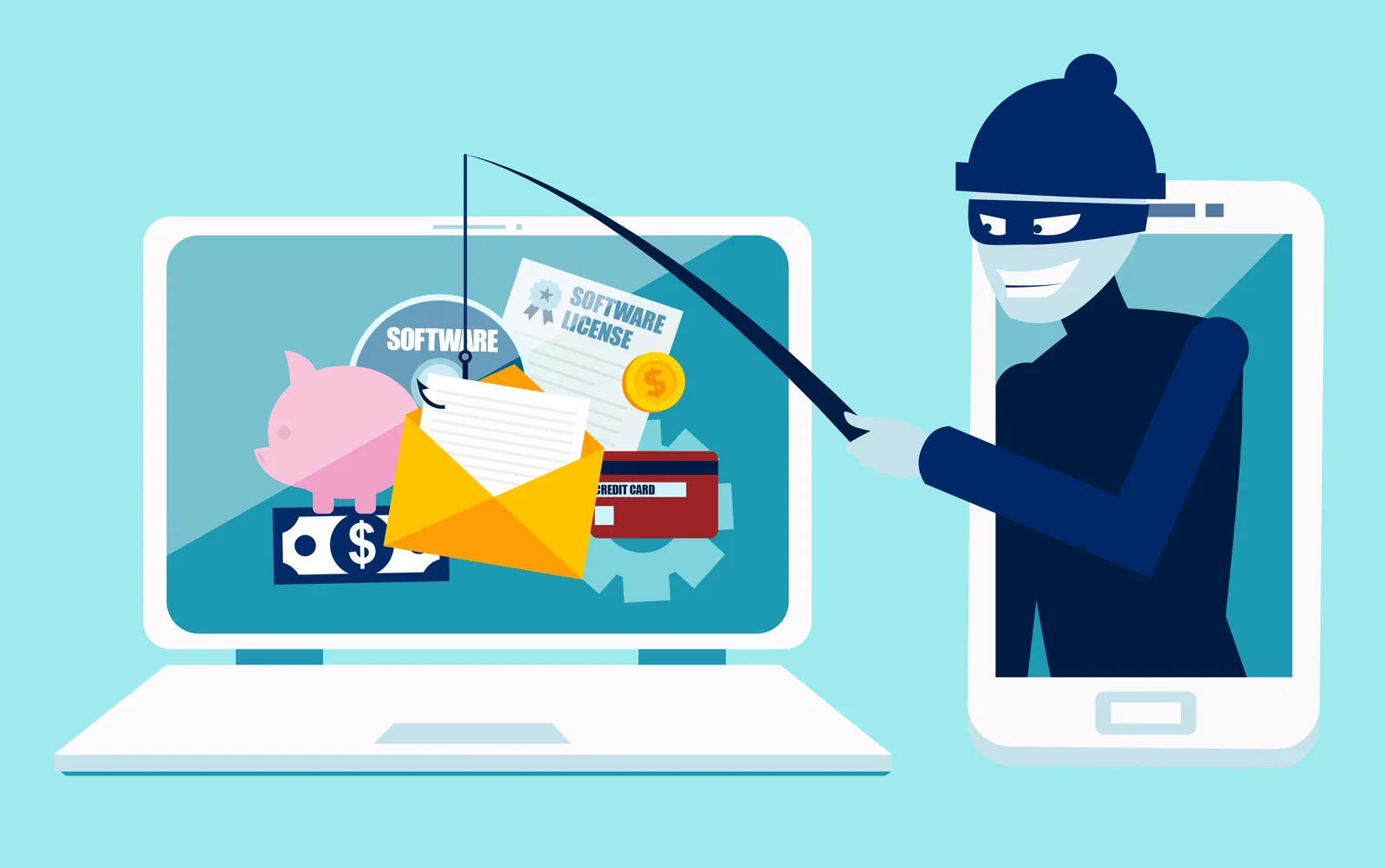
Open enrollment creates new opportunities for benefits-related phishing scams.

The Internal Revenue Service (IRS) has launched its annual Dirty Dozen list, cautioning taxpayers about evolving phishing and smishing scams aimed at stealing sensitive...

The Internal Revenue Service (IRS) has launched its annual Dirty Dozen list, cautioning taxpayers about evolving phishing and smishing scams aimed at stealing sensitive information. Fraudsters use email and text scams to trick individuals and businesses into providing personal and financial data, posing as legitimate organizations like the IRS. The IRS Commissioner, Danny Werfel, emphasizes vigilance, urging caution against unsolicited messages and advising against clicking suspicious links.
The Dirty Dozen campaign, initiated in 2002, highlights 12 scams that threaten taxpayers, businesses, and tax professionals with financial loss and identity theft. While not an official list of enforcement priorities, it aims to raise awareness and safeguard against common tax schemes. As part of the Security Summit, the IRS collaborates with state tax agencies and the tax industry to implement security measures and educate taxpayers year-round to combat tax-related identity theft.
Phishing and smishing remain prevalent, targeting taxpayers, tax professionals, and HR departments, with scams often escalating during tax season. The IRS reminds individuals never to respond to unsolicited messages claiming to be from the IRS and report suspicious emails or texts to phishing@irs.gov. They caution against clicking on links or opening attachments in such communications, urging individuals to report any monetary losses to relevant authorities, including the Treasury Inspector General for Tax Administration (TIGTA) and the Federal Trade Commission.
To combat tax scams and abusive practices, the IRS encourages individuals to report fraudulent activities and dishonest tax preparers using Form 14242, Report Suspected Abusive Tax Promotions or Preparers. Reports can be mailed or faxed to the IRS Lead Development Center or submitted to the IRS Whistleblower Office for potential rewards. These efforts underscore the IRS’s commitment to protecting taxpayers, businesses, and the integrity of the tax system from cybercriminals and deceptive activities.
Benefit Allocation Systems (BAS) provides online solutions for: Employee Benefits Enrollment; COBRA; Flexible Spending Accounts (FSAs); Health Reimbursement Accounts (HRAs); Leave of Absence Premium Billing (LOA); Affordable Care Act Record Keeping, Compliance & IRS Reporting (ACA); Group Insurance Premium Billing; Property & Casualty Premium Billing; and Payroll Integration.
MyEnroll360 integrates with major insurance carriers for enrollment eligibility management (e.g., Blue Cross, Blue Shield, Aetna, United Health Care, Kaiser, CIGNA and others), and with leading payroll platforms for enrollment deduction management (e.g., Workday, ADP, Paylocity, PayCor, UKG, and others).
This article is for informational purposes only and is not intended as legal, tax, or benefits advice. Readers should not rely on this information for taking (or not taking) any action relating to employment, compliance, or benefits. Always consult with a qualified professional before making decisions based on this content.
Open enrollment creates new opportunities for benefits-related phishing scams.
Downloading a report may take only a few seconds, but the file can remain on a computer for months or even years.

A security review before enrollment begins can help eliminate unnecessary risks.