

Medical Loss Ratio Rebates: What Employers Should Know
Employers that receive a MLR rebate need to determine how the funds may be used.

ERISA-covered health and welfare plans must have certain plan documents and provide participants with information about benefits.
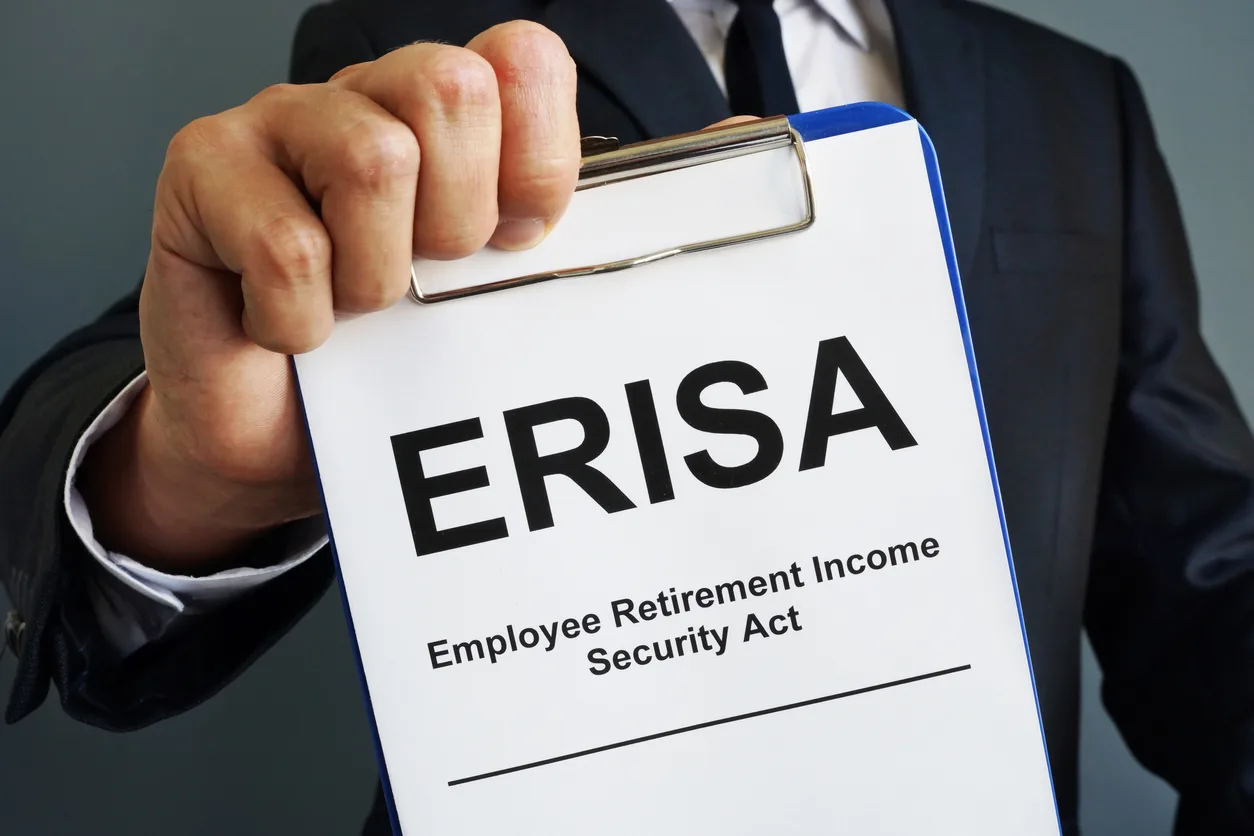
Employers that sponsor ERISA-covered health and welfare plans are required to maintain certain plan documents and provide participants with information about their benefits. Two important documents are the formal plan document and the Summary Plan Description (SPD). Although closely related, they serve different purposes.
ERISA requires an employee benefit plan to be established and maintained pursuant to a written instrument. The formal plan document sets forth the terms under which the plan is established and administered.
Depending on the plan, the document may address eligibility, benefits, funding, plan administration, amendment and termination rights, claims procedures, and the parties responsible for administering the plan.
For insured benefits, employers often receive insurance policies, certificates of coverage, and other documents from their carriers. These documents may contain many of the substantive benefit provisions, but employers should determine whether their documentation, taken together, includes all of the provisions needed for their ERISA plan.
The SPD is designed to communicate important plan information to participants and beneficiaries in a manner that can be understood by the average plan participant.
An SPD generally describes such matters as who is eligible for the plan, when coverage begins, what benefits are available, circumstances that may result in a loss or reduction of benefits, claims and appeals procedures, and participants’ rights under ERISA.
Because the SPD is a disclosure document, employers must also provide it to participants within applicable ERISA timeframes.
The plan document establishes the terms governing the plan, while the SPD communicates important information about those terms to participants. Employers should not assume that a benefits guide, enrollment materials, insurance certificate, or carrier booklet automatically satisfies all ERISA documentation and disclosure requirements.
Many employers use a “wrap” document to supplement insurance policies and certificates and incorporate multiple welfare benefits into an ERISA plan. Depending on how the documents are structured, a wrap document may serve as the formal plan document, the SPD, or both when combined with other incorporated documents.
Whatever approach is used, the documents should work together and accurately reflect the plan being administered.
Problems can arise when plan documents are not updated as benefit programs and administrative practices change. For example, an employer may change a waiting period or eligibility rule but continue using documents that describe the previous rule. Different documents may also contain inconsistent definitions of eligible employees or dependents.
Employers should pay particular attention to changes involving eligibility and waiting periods, employee classifications, dependent eligibility, benefit offerings, plan years, claims and appeals procedures, COBRA provisions where applicable, and the identity and contact information of the plan administrator.
The written terms should also be compared periodically with actual administrative practices. A longstanding HR practice that differs from the governing plan documents can create compliance and administrative problems.
Plan documentation should be reviewed when benefits or administrative practices change and periodically as part of an employer’s benefits compliance process. Employers should also confirm that required amendments and participant disclosures are completed when plan changes are made.
Maintaining accurate plan documents and SPDs is more than a documentation exercise. Consistent, current documents help employers administer benefits according to the plan’s terms and help employees understand the benefits and rights available to them.
Benefit Allocation Systems (BAS) provides online solutions for: Employee Benefits Enrollment; COBRA; Flexible Spending Accounts (FSAs); Health Reimbursement Accounts (HRAs); Leave of Absence Premium Billing (LOA); Affordable Care Act Record Keeping, Compliance & IRS Reporting (ACA); Group Insurance Premium Billing; Property & Casualty Premium Billing; and Payroll Integration.
MyEnroll360 integrates with major insurance carriers for enrollment eligibility management (e.g., Blue Cross, Blue Shield, Aetna, United Health Care, Kaiser, CIGNA and others), and with leading payroll platforms for enrollment deduction management (e.g., Workday, ADP, Paylocity, PayCor, UKG, and others).
This article is for informational purposes only and is not intended as legal, tax, or benefits advice. Readers should not rely on this information for taking (or not taking) any action relating to employment, compliance, or benefits. Always consult with a qualified professional before making decisions based on this content.
Employers that receive a MLR rebate need to determine how the funds may be used.

Security should be considered throughout information's entire lifecycle, from collection through disposal.

BAS provides full service enrollment services to help HR departments manage employee benefits.