

Clean Desk Practices Matter in HR
Protecting sensitive information also requires attention to physical security.
Conducting a periodic review of ACA eligibility rules can help ensure benefits administration continues to operate as intended.
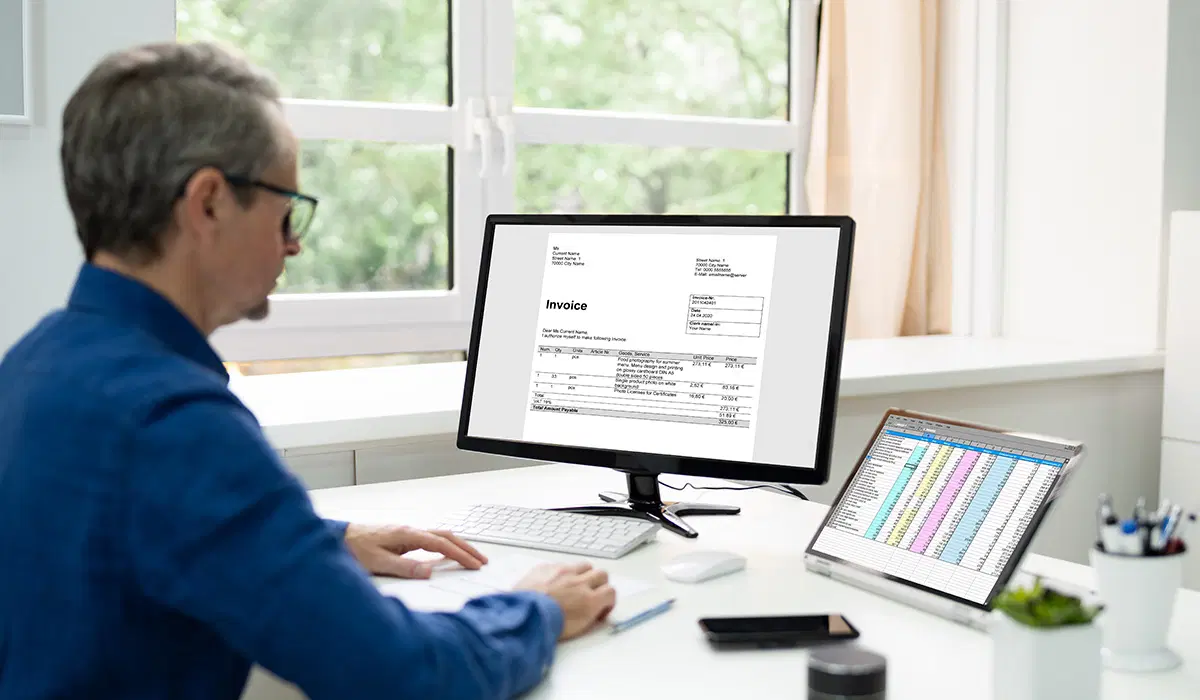
Many employers established their Affordable Care Act (ACA) eligibility rules years ago and have continued using the same processes ever since. While those rules may have worked well initially, changes in hiring practices, staffing levels, remote work, payroll systems, and workforce demographics can gradually create compliance risks or administrative challenges.
Conducting a periodic review of your ACA eligibility rules can help ensure your benefits administration continues to operate as intended and reduce the likelihood of reporting errors or missed coverage offers.
One of the first areas to evaluate is whether employees are still being classified appropriately. Employers should confirm that full-time, part-time, variable-hour, seasonal, and temporary employees are being categorized consistently based on current job responsibilities and hiring practices.
As organizations evolve, positions often change without corresponding updates to benefits administration procedures. A classification that made sense several years ago may no longer accurately reflect how employees are actually working today.
ACA compliance depends not only on written eligibility rules but also on consistent administration. Review your onboarding process to ensure new hires are receiving offers of coverage within the required timeframes and that waiting periods are applied uniformly across all departments and locations.
Even small inconsistencies between HR, payroll, and benefits administration can result in delayed coverage offers or reporting errors.
If your organization uses the ACA look-back measurement method for variable-hour employees, now is a good time to confirm that your measurement, administrative, and stability periods continue to fit your workforce.
Consider questions such as:
Frequent manual intervention may indicate that existing procedures should be reviewed.
Employees returning after seasonal employment, layoffs, or other breaks in service often present unique ACA challenges. Likewise, employees on FMLA leave, military leave, or other approved leaves may require special consideration when determining eligibility and maintaining coverage.
Review your procedures to ensure these situations are handled consistently and in accordance with your established ACA policies.
Sometimes the first indication of an ACA issue is not an IRS notice, but recurring administrative problems.
Warning signs may include:
Addressing these issues early can prevent larger compliance concerns later.
ACA compliance depends on accurate information flowing between multiple departments. Periodically compare hire dates, employment status, hours worked, coverage effective dates, and payroll records to identify inconsistencies before they affect employee coverage or annual reporting.
A coordinated review often uncovers small administrative issues that can be corrected long before Forms 1095-C are prepared.
Summer is an excellent time to review ACA eligibility rules before year-end reporting activities begin. Confirming that your eligibility policies still reflect your current workforce and administrative processes can help reduce reporting corrections, improve operational efficiency, and support ongoing ACA compliance.
An annual review of eligibility rules is not simply a compliance exercise. It is an opportunity to ensure your benefits administration continues to function as intended as your organization grows and changes.
Benefit Allocation Systems (BAS) provides online solutions for: Employee Benefits Enrollment; COBRA; Flexible Spending Accounts (FSAs); Health Reimbursement Accounts (HRAs); Leave of Absence Premium Billing (LOA); Affordable Care Act Record Keeping, Compliance & IRS Reporting (ACA); Group Insurance Premium Billing; Property & Casualty Premium Billing; and Payroll Integration.
MyEnroll360 integrates with major insurance carriers for enrollment eligibility management (e.g., Blue Cross, Blue Shield, Aetna, United Health Care, Kaiser, CIGNA and others), and with leading payroll platforms for enrollment deduction management (e.g., Workday, ADP, Paylocity, PayCor, UKG, and others).
This article is for informational purposes only and is not intended as legal, tax, or benefits advice. Readers should not rely on this information for taking (or not taking) any action relating to employment, compliance, or benefits. Always consult with a qualified professional before making decisions based on this content.
Protecting sensitive information also requires attention to physical security.

A periodic review of your Health FSA design can help determine whether your current approach still meets the needs of your workforce.

BAS offers comprehensive enrollment administration services designed to streamline the enrollment process while improving accuracy, efficiency, and the employee experience.