

Medicare Part D Notices Are Due By October 15
The date for distributing Medicare Part D notices is approaching.

These forms are used for the Affordable Care Act (ACA) reporting requirements. Staying ahead of the game is essential to ensure compliance.

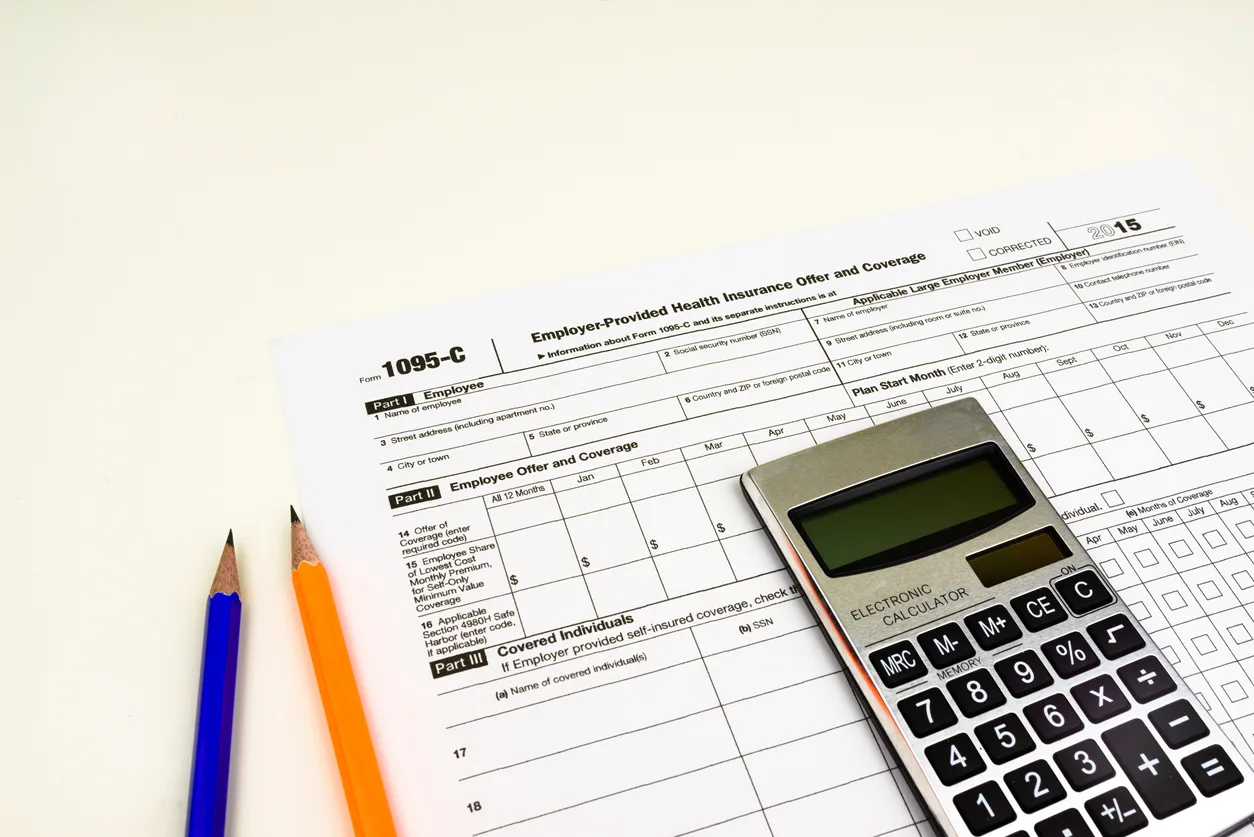
Employers and HR professionals, be aware, because the IRS has just released final instructions for IRS Forms 1094/1095-C and 1094/1095-B for the 2023 reporting year. These forms are used for the Affordable Care Act (ACA) reporting requirements. Staying ahead of the game is essential to ensure compliance.
Forms 1094/1095-C are used by Applicable Large Employers (ALEs) to report information about health coverage offered to full-time employees and their dependents. These forms are required for ACA compliance and help the IRS assess whether employers are providing affordable and adequate health insurance to eligible employees. Forms 1094/1095-B are used by entities that provide minimum essential coverage to report information about that coverage to the IRS and to individuals covered by the plans. This includes insurance companies and some self-insured employers.
The release of draft instructions by the IRS provides employers with valuable insights into the reporting requirements for the upcoming tax year. Here are some key highlights:
Compliance with ACA reporting requirements is not optional for affected employers. Failure to file accurate and timely reports can result in significant penalties. Staying informed about changes in the instructions and being prepared well in advance of the filing deadlines is crucial for smooth and error-free reporting.
Employers and HR professionals should start reviewing these instructions now to prepare for the upcoming reporting season. The instructions may be accessed by clicking here and here.
BAS can help your organization ensure compliance and navigate the complexities of ACA reporting. With the decreased electronic reporting threshold, look to BAS to ease compliance obligations. For information about BAS’ data collection and reporting service, contact your account manager or email solutions@basusa.com.
Benefit Allocation Systems (BAS) provides online solutions for: Employee Benefits Enrollment; COBRA; Flexible Spending Accounts (FSAs); Health Reimbursement Accounts (HRAs); Leave of Absence Premium Billing (LOA); Affordable Care Act Record Keeping, Compliance & IRS Reporting (ACA); Group Insurance Premium Billing; Property & Casualty Premium Billing; and Payroll Integration.
MyEnroll360 integrates with major insurance carriers for enrollment eligibility management (e.g., Blue Cross, Blue Shield, Aetna, United Health Care, Kaiser, CIGNA and others), and with leading payroll platforms for enrollment deduction management (e.g., Workday, ADP, Paylocity, PayCor, UKG, and others).
This article is for informational purposes only and is not intended as legal, tax, or benefits advice. Readers should not rely on this information for taking (or not taking) any action relating to employment, compliance, or benefits. Always consult with a qualified professional before making decisions based on this content.
The date for distributing Medicare Part D notices is approaching.
For employers with multiple related companies, understanding how the ACA treats employees who move between entities is important for accurate eligibility and reporting.

Employers should avoid making eligibility decisions based solely on the employee's relationship to the individual.